



Starting an online business gets a little easier when your rent isn’t eating your runway.
Unfortunately, moving to a famous digital nomad hotspot no longer guarantees cheap living. Price a furnished apartment in Mexico City’s Roma or Condesa, Medellín’s El Poblado, or Rio de Janeiro’s Copacabana or Ipanema, and the affordable lifestyle you imagined can disappear surprisingly quickly.
These are popular, convenient neighborhoods where many visitors feel comfortable settling in. That convenience carries a premium, and no neighborhood comes with a safety guarantee. Lisbon and Bali’s Canggu are other places where the old budget-nomad reputation deserves a fresh look before you book your trip.
The pressure also affects local residents. In Mexico City, rising housing costs and concerns about displacement have prompted protests and government proposals to tackle gentrification. Being able to afford somewhere doesn’t mean the people who grew up there can, a common problem now in nearly every major city.
Which is exactly why so many people are voting with their feet and leaving major cities and relocating to smaller, lesser-known and emerging digital nomad hotspots.
If you’re earning a healthy salary from a remote job, higher prices might be manageable. If you’re bootstrapping a startup, launching a coaching business, or trying to get your first customers, every month of savings matters a lot.
But cheap alone isn’t enough. You want a place where you can concentrate, feel reasonably comfortable going about your day, meet local people, and find other builders to exchange ideas with at local meetups and coworking spaces. A bargain room gets expensive if isolation or unreliable internet stops you working.
The sweet spot is a modest home, affordable meals, a dependable place to work, and a community you actually enjoy. Somewhere you can have a productive each day while also enjoying a good life beyond your laptop.
What under $1,000 actually means
All figures are in US dollars, per person, per month. These are lean planning estimates for living in one place, generally for one to three months, rather than moving every few weeks. The numbers I used assume simple private accommodation, mostly local food or home cooking, limited nightlife, and inexpensive work arrangements.
The estimates cover rent, basic utilities, food, local transport, mobile data, modest coworking or café spending, laundry, and small everyday extras. They exclude international flights, visas and extensions, health insurance, taxes, business software, major excursions, deposits, and emergency savings. Your total cash requirement will be higher.
These are achievable budget targets, not average expat spending or guaranteed rental quotes. In the tighter destinations, you may need a private room in a shared home instead of your own apartment. If $1,000 is your absolute ceiling including insurance and immigration costs, prioritize the places with living budgets nearer $650–$800.
1. Chiang Mai, Thailand

Chiang Mai is the perennial favorite for a reason. It offers the kind of working environment that makes starting an online business feel less like a strange personal experiment: cafés, coworking spaces, and people who understand what you’re building.
The digital nomad community is the main draw. You’re more likely to find other marketers, developers, freelancers, and small-business owners here than in many cheaper towns. Use that access to find reliable accountability partners, not just another networking event.
Keeping costs down means choosing a simple monthly rental and eating regularly at Thai restaurants and markets. Look beyond Nimman’s most fashionable streets, and compare the total cost of rent, electricity, transport, and workspace before committing.
The major catch is seasonal smoke. February through April can bring serious air-quality problems, with timing varying each year (I recommend spending the burning season in Koh Phangan). Chiang Mai makes much more sense when you choose your season as carefully as your apartment.
- Lean budget: $750–$950 a month.
- Best for: First-time nomads building service businesses, software, or online education.
- Pros: Established community, inexpensive Thai food, abundant workspaces.
- Cons: Burning season, traffic, temptation to spend all day networking.
- Budget move: Rent near your everyday routine so transport doesn’t erase the savings.
2. Pokhara, Nepal

Pokhara is for people who want to build a business without spending every waking hour thinking about business. Phewa Lake, the surrounding hills, and Himalayan views on clear days give your attention somewhere else to go.
Lakeside brings together Nepali business owners, trekkers, long-stay travellers, and a smaller remote-work crowd. It isn’t Chiang Mai’s entrepreneurial scene, but there are enough people around to make shared work sessions and regular dinners possible if you take the initiative.
A modest guesthouse room on a monthly rate can keep your fixed costs low. Eat a mix of local meals and occasional café food, and save the larger trekking adventures for a separate travel budget.
Check the actual room’s internet and ask about backup power before paying for a month. Monsoon rain can limit mountain views and disrupt travel, while winter rooms may be colder than the photographs suggest.
- Lean budget: $550–$800 a month.
- Best for: Nature-loving founders, writers, coaches, and slower work retreats.
- Pros: Low everyday costs, walkable Lakeside routine, access to nature.
- Cons: Smaller business community, variable power and internet, seasonal weather.
- Budget move: Compare rooms on quieter streets behind Lakeside’s main strip.
3. Da Nang, Vietnam

Da Nang offers a compelling combination: a real city, a long beach, affordable Vietnamese food, and an increasingly established remote-work scene. You can fit a morning walk and a full working day into the same ordinary Tuesday.
The beachside districts attract international remote workers, while coworking spaces can help you meet Vietnamese professionals too. That mix is useful if you want friendships and potential collaborators beyond a rotating cast of visitors.
Under $1,000 is plausible with a modest studio, local meals, and a sensible workspace choice. Beachfront views, daily Western brunches, and a premium apartment can push the same city into a very different price bracket.
Inspect for nearby construction and test calls at the hours you actually work. Central Vietnam’s wet and stormy months also matter, especially if your perfect routine depends on daily swimming.
- Lean budget: $700–$950 a month.
- Best for: Founders who want beaches without giving up city conveniences.
- Pros: Growing work community, local food, plentiful accommodation choices.
- Cons: Construction noise, storms, rising demand in popular areas.
- Budget move: Walk a few streets inland before choosing your rental.
4. Hoi An, Vietnam

Hoi An makes a strong case for building your business at bicycle speed. Beyond the busy old town are rice fields, residential lanes, beaches, and places where a slower daily rhythm comes naturally.
Its smaller size can make community easier to navigate. Hub Hoi An, for example, advertises regular social events alongside coworking, giving newcomers a practical way to meet people rather than hoping conversation happens at the next café.
Choose a simple homestay room instead of a boutique villa. Accommodation plus a full coworking membership can consume much of your budget, so price those two decisions together rather than treating workspace as an afterthought.
Seasonal flooding is the most important practical drawback. Ask about the specific property’s flood history, access roads, and backup arrangements, particularly for an autumn stay.
- Lean budget: $750–$950 a month.
- Best for: Creatives and solo founders who prefer a smaller social circle.
- Pros: Organized coworking community, cycling, beautiful surroundings.
- Cons: Flood season, tourist crowds, potentially expensive workspace packages.
- Budget move: Compare homestays in residential areas outside the old town.
5. Chiang Rai, Thailand

Chiang Rai suits the stage of business where you need fewer distractions and more finished work. It has northern Thailand’s food, temples, and surrounding countryside with a much smaller international work scene than Chiang Mai.
There are foreign residents and travellers, but you should expect to build your own professional circle. A regular café, local activities, and an online accountability group may serve you better than waiting for a packed founder calendar.
Simple accommodation and local meals make a modest budget achievable. Staying close to your daily needs matters more than securing the absolute cheapest room on the edge of town.
The tradeoff is less social variety and the same regional smoke problem that affects other northern Thai destinations. Choose it for deliberate focus outside smoky periods, not because you expect a cheaper replica of Chiang Mai.
- Lean budget: $650–$850 a month.
- Best for: Independent founders who already have a working routine.
- Pros: Low costs, calmer pace, access to countryside.
- Cons: Smaller nomad network, seasonal smoke, fewer workspace choices.
- Budget move: Prioritize a convenient location over a larger home.
6. Pai, Thailand
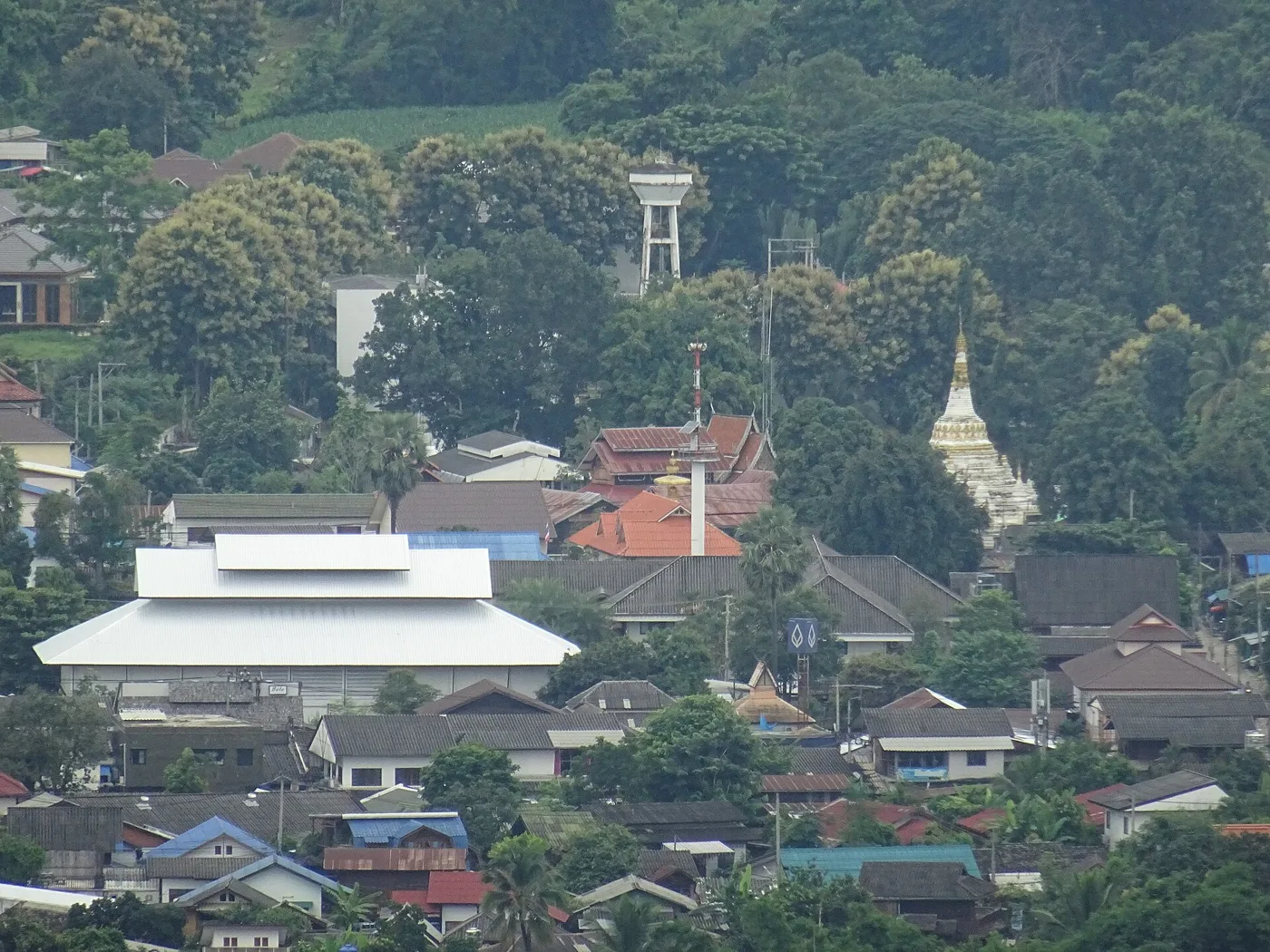
Pai attracts people who want creativity, mountains, and a more informal social atmosphere. It can be a lovely place to write, design, or work through an idea that needs a little breathing room.
The community is more traveler-and-creative than startup-and-investor. You’ll find people to hike, make music, or share dinner with, but may need to organize your own business-focused coworking sessions.
A monthly room or simple bungalow can be affordable, especially outside peak demand. Check the desk, noise, and internet in person: a hammock is wonderful, but it is a fairly questionable office chair.
Pai can become distracting if every evening turns into another night out. Seasonal smoke, road access, and limited specialist healthcare also make it better for a planned stay than an unquestioned year-round base.
- Lean budget: $650–$900 a month.
- Best for: Writers, designers, and socially minded creatives.
- Pros: Easy traveler connections, nature, inexpensive simple living.
- Cons: Party distractions, smaller professional network, burning season.
- Budget move: Stay within walking distance of town but away from nightlife noise.
7. Kathmandu, Nepal

Kathmandu offers a different kind of opportunity from Pokhara. There is more urban intensity, but also more contact with Nepal’s businesses, creative professionals, and entrepreneurial activity.
Patan and the Jhamsikhel area are useful places to investigate for cafés and workspaces. Being around local designers, developers, and business owners can make your stay feel more connected to the country you’re living in.
Keep accommodation simple and choose a neighborhood where you can handle most daily needs on foot. Crossing the city for every meal or work session costs time as well as money.
Traffic, dust, noise, and air pollution are the main compromises. Pay attention to the building and street you choose, and confirm backup electricity rather than assuming every workspace has it.
- Lean budget: $650–$900 a month.
- Best for: Founders interested in local partnerships and cultural immersion.
- Pros: Cultural depth, local professional connections, affordable food.
- Cons: Pollution, congestion, uneven building quality.
- Budget move: Choose a small room near your workspace instead of a distant apartment.
8. Hanoi, Vietnam

Hanoi is a good fit if you want your business-building chapter to happen inside a lively, complicated city. Markets, street food, lakes, and dense neighborhoods give it a very different feel from a purpose-built nomad enclave.
You can meet international residents as well as Vietnamese professionals. The opportunity is broader than remote-worker meetups: language exchanges, creative events, and coworking can connect you to people with different perspectives.
Staying under $1,000 means resisting the most polished apartments in the expatriate areas. A simple room or studio, local food, and careful transport spending leave more room for a dependable workplace.
Noise and air pollution are real drawbacks, and a charming location can still be terrible for sleep. Inspect the room with the windows closed and ask yourself whether you could concentrate there for several weeks.
- Lean budget: $750–$950 a month.
- Best for: Urban founders who enjoy culture and local professional networks.
- Pros: Food, cultural life, established city workspaces.
- Cons: Traffic, air quality, noise, temptation to overpay for convenience.
- Budget move: Compare quieter residential streets beyond premium West Lake rentals.
9. Da Lat, Vietnam
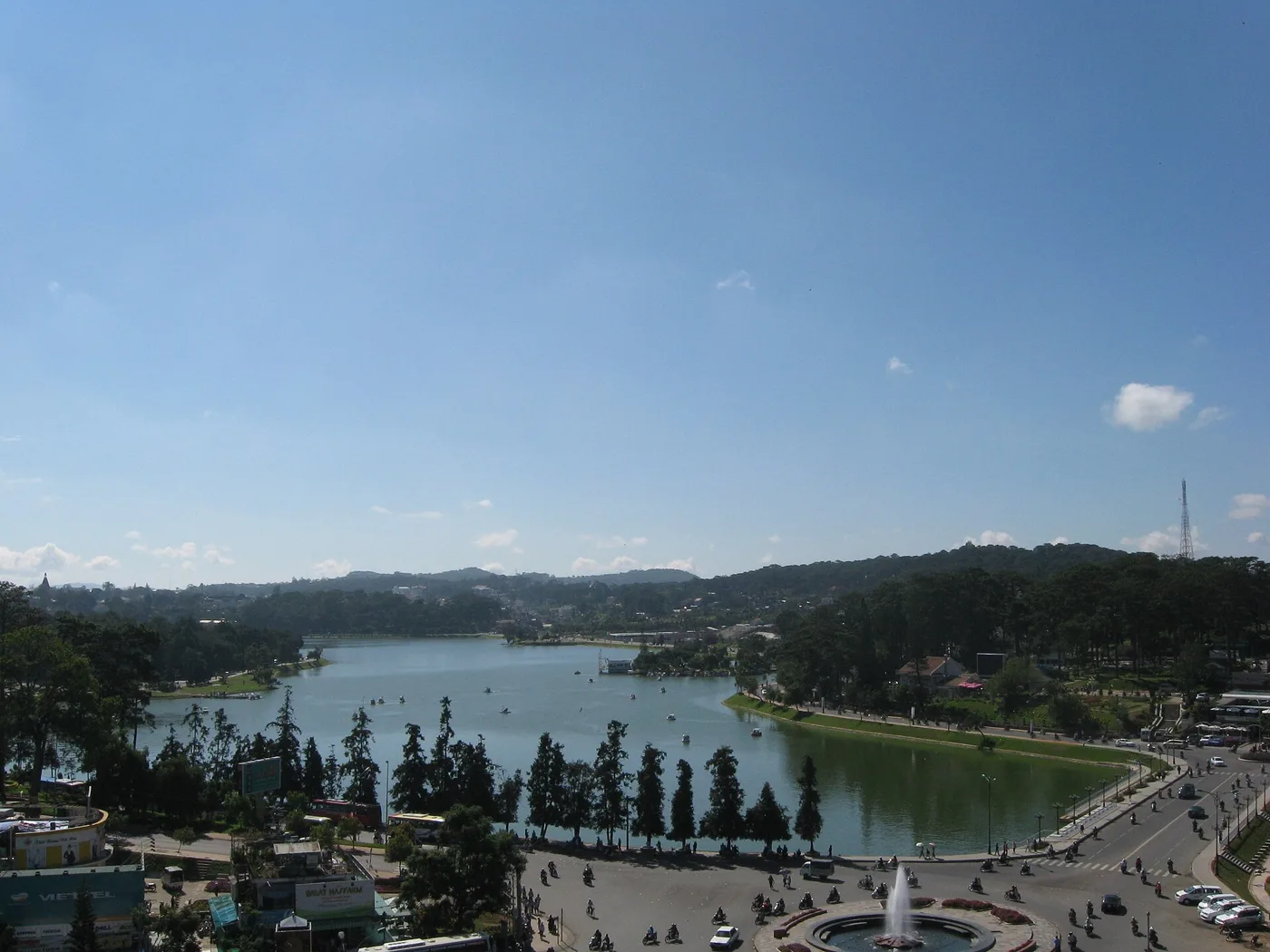
Da Lat offers cooler highland weather, a strong café culture, and a change of pace from Vietnam’s hot coastal cities. It is appealing if your best work happens somewhere you can comfortably take a long walk afterward.
The international business community is smaller than Da Nang’s. Expect more independent working and fewer ready-made professional introductions, with friendships developing through repeated visits to the same places.
A modest room, local restaurants, and home-based work can keep your monthly costs low. Spend a little extra on a room with natural light and a useful desk instead of a beautiful café you need to purchase your way into every day.
Rain, damp rooms, and weekend tourism can interfere with the peaceful image. Check the exact street and property, especially if you’ll be recording content or taking calls.
- Lean budget: $600–$850 a month.
- Best for: Writers, developers, and people who prefer cooler weather.
- Pros: Café culture, affordable basics, highland surroundings.
- Cons: Smaller foreign work community, damp weather, uneven workspace options.
- Budget move: Find a room you can comfortably work in before paying for café hopping.
10. Nha Trang, Vietnam

Nha Trang is worth considering if a regular swim matters more to you than a busy networking calendar. It is a coastal city with tourism infrastructure and room for an inexpensive everyday routine.
There are foreign residents and international visitors, but the professional nomad scene is thinner than in Da Nang. You may need to be more intentional about finding people who are building businesses rather than simply passing through.
Look inland for a basic apartment and eat at Vietnamese restaurants away from the beachfront strip. The budget works best when the sea is your free entertainment, rather than the backdrop to daily resort spending.
Dedicated coworking choices are less extensive, so home internet deserves extra attention. Stormy weather, tourist noise, and language differences are other factors to test during a short initial stay.
- Lean budget: $700–$950 a month.
- Best for: Independent remote workers who want a beach routine.
- Pros: Coastline, affordable local food, city amenities.
- Cons: Smaller founder community, tourist-focused areas, fewer coworking choices.
- Budget move: Pay for dependable home internet before paying for a sea view.
11. Siem Reap, Cambodia

Siem Reap offers an approachable small-city routine with cafés, markets, and a long-established international presence. Its appeal goes beyond being the gateway to Angkor.
Tourism workers, Cambodian entrepreneurs, foreign residents, and remote workers create several overlapping social circles. Places such as Level Up combine workspace and social activities, which can help you meet people without making nightlife your only option.
A simple monthly rental and local food can keep expenses manageable. Ask about electricity charges before signing anything, because frequent air-conditioning use can make the cheap room less cheap.
Heat, limited specialist medical services, and regional travel conditions deserve attention. Cambodia’s Thai border restrictions are separate from daily life in Siem Reap, but they matter if your arrival plan relies on an overland crossing.
- Lean budget: $650–$900 a month.
- Best for: Sociable founders who prefer a smaller city.
- Pros: International connections, affordable rentals, cultural surroundings.
- Cons: Heat, electricity costs, fewer advanced services than major cities.
- Budget move: Compare the full monthly electricity estimate, not just rent.
12. Kampot, Cambodia

Kampot is a slower riverside alternative to the more intensely marketed nomad destinations. It suits a simple routine of focused mornings, local meals, and evenings when you can actually stop working.
Its international community is small, and the atmosphere is more informal than professional. Becoming a regular at a handful of places is likely to do more for your social life than searching for a large startup ecosystem.
Modest rooms and inexpensive local living make the budget appealing. Choose somewhere near town if that lets you walk or cycle instead of renting transport throughout your stay.
Work infrastructure is more limited, so test your connection and keep a mobile backup. Rainy periods, heat, and limited specialist healthcare are the main practical compromises.
- Lean budget: $600–$850 a month.
- Best for: Writers and solo founders seeking a quiet working rhythm.
- Pros: Low costs, small social circles, riverside setting.
- Cons: Limited professional networking, variable connectivity, fewer services.
- Budget move: Choose town convenience over an isolated scenic bungalow.
13. Yogyakarta, Indonesia

Yogyakarta is a strong option if you want to spend less and connect with Indonesia beyond Bali’s international bubble. Its student population, arts, and creative businesses make it an interesting place to stay curious while you work.
Local professional connections are a major part of the appeal. Antologi, for example, combines coworking, events, and café space around knowledge exchange rather than catering exclusively to foreign visitors.
A monthly room or basic guesthouse and Indonesian meals can keep costs well below the ceiling. This leaves more room to pay for a proper desk and participate in activities where you can meet people.
The foreign nomad scene is smaller, English is less universal outside visitor-oriented businesses, and traffic can be tiring. Learning some Bahasa Indonesia will improve both your practical life and your chances of making local friends.
- Lean budget: $550–$800 a month.
- Best for: Designers, developers, and culturally curious founders.
- Pros: Low costs, local creative community, cultural depth.
- Cons: Smaller foreign network, traffic, language adjustment.
- Budget move: Choose accommodation near a workspace used by local professionals.
14. Ubud, Indonesia

Ubud can still work for a careful bootstrapper, but it is one of the tighter fits on this list. The affordable version involves a basic homestay and local warungs, not a private pool and a wellness subscription for every day of the week.
The community is its advantage. Coaches, creatives, wellness practitioners, and online business owners are part of the international mix, making it relevant if those are the people you want to learn from or collaborate with.
Secure a low-cost monthly room before treating the budget as viable. Working mainly from your accommodation, with occasional coworking visits, is more realistic than combining a premium workspace with daily classes and Western cafés.
Traffic, construction, and lifestyle spending can wear down both your focus and your savings. If quotes don’t fit, choose another destination instead of forcing the numbers because the photos look nice.
- Lean budget: $850–$950 a month, conditional on inexpensive accommodation.
- Best for: Wellness entrepreneurs, coaches, and creatives with a firm spending plan.
- Pros: Relevant international community, cultural activities, green surroundings.
- Cons: Tight budget, traffic, endless paid distractions.
- Budget move: Set your housing ceiling before browsing villas.
15. George Town, Penang, Malaysia

George Town offers an attractive everyday mix of street food, heritage streets, and multicultural city life. It is a place where inexpensive eating can feel like a benefit rather than a compromise.
You’ll find international residents and workspaces, though the nomad social scene is less concentrated than Chiang Mai’s. Coworking and recurring local activities are better bets than assuming everyone at a café is looking for new friends.
The sub-$1,000 version usually means a room or an older, basic studio, with regular meals at hawker centers. A renovated central apartment and frequent taxis can move you above the target quickly.
Heat and humidity are persistent factors, and accommodation far from your routine may cost more in transport than it saves in rent. Choose a neighborhood you can comfortably live in on ordinary working days.
- Lean budget: $800–$950 a month.
- Best for: Food-loving founders who value practical daily living.
- Pros: Multicultural environment, excellent food choices, established amenities.
- Cons: Humidity, traffic, less concentrated nomad networking.
- Budget move: Choose simple accommodation near food and public transport.
16. Dumaguete, Philippines

Dumaguete is a coastal university city with an established foreign-resident presence and widely used English. That can make settling into everyday conversations easier than in some other low-cost destinations.
The community includes students, local freelancers, long-term residents, and visitors. It isn’t primarily a startup hub, but workspaces such as Stotts give you somewhere to find a working routine outside your room.
Simple accommodation and local meals can fit the budget. Keep diving trips and island excursions separate, because an affordable home base doesn’t automatically make every weekend adventure inexpensive.
Power interruptions and connection quality deserve particular attention. Ask about backup systems at both your accommodation and workspace, especially if your income depends on live calls.
- Lean budget: $700–$950 a month.
- Best for: English-speaking freelancers who prefer a smaller coastal city.
- Pros: Accessible conversation, university atmosphere, established foreign community.
- Cons: Power reliability, smaller founder scene, paid excursions add up.
- Budget move: Spend on reliable connectivity before waterfront accommodation.
17. Rishikesh, India

Rishikesh combines an international yoga community with a setting that encourages a different pace of life. For a coach, writer, or wellness entrepreneur, the people around you may be as relevant as the cost savings.
Tapovan and nearby traveler areas are useful starting points for meeting long-stay visitors. Connections often happen through yoga, classes, and cafés, so expect a wellness-centered community rather than a conventional startup scene.
A monthly room and local meals can keep living costs low. Retreat packages, teacher trainings, and daily paid classes belong in a separate budget if the goal is to extend your business runway.
Internet, power backup, noise, and access vary considerably between properties. Festival crowds, summer heat, and monsoon conditions also mean that a peaceful image online may not match your particular month.
- Lean budget: $550–$800 a month.
- Best for: Wellness founders, coaches, and writers.
- Pros: Low costs, international yoga community, opportunities for a grounded routine.
- Cons: Variable work facilities, seasonal crowds, fewer general business events.
- Budget move: Rent a room independently instead of buying an all-inclusive retreat.
18. Dharamshala and Dharamkot, India

The Dharamshala area offers mountain surroundings, Tibetan cultural institutions around McLeod Ganj, and hillside traveler communities in places such as Dharamkot. It can be a rewarding base for a focused working chapter.
The social mix includes Indian remote workers, international travelers, creatives, and people studying meditation or yoga. Coworking and coliving options exist, although the experience is more scattered and intimate than in a major city hub.
Modest guesthouses make a lean stay possible. Compare their room-and-workspace costs with coliving packages, and check the actual location: a property described as Dharamshala may be far from the village or community you imagined.
Monsoon rain, steep walks, cold rooms, and road disruption can affect daily life. Verify backup power and internet, and choose a season that supports the routine you want.
- Lean budget: $550–$800 a month.
- Best for: Writers, thoughtful creatives, and founders seeking a mountain work retreat.
- Pros: Nature, cultural learning, low accommodation costs.
- Cons: Seasonal rain and cold, hills, variable infrastructure.
- Budget move: Check the map and walking access before booking a cheap long stay.
19. Bansko, Bulgaria

Bansko is the European option on this list with the clearest established nomad identity. Its mountain setting and coworking communities make it attractive to people who want both focused work and an active social life.
The concentration of remote workers can make finding peers easier than in a larger city where everyone is scattered. A paid community workspace may be worth protecting in your budget if it leads to useful friendships and regular accountability.
Under $1,000 is a constrained, off-season proposition rather than a comfortable year-round baseline. Look for a shared apartment or an inexpensive studio, cook regularly, and account for coworking before choosing your accommodation.
Winter heating, ski-season demand, and festival periods can push costs up. Deposits and longer minimum stays also matter, so confirm the full agreement rather than relying on an old blog’s headline rent.
- Lean budget: $850–$950 a month, with shared or bargain off-season housing.
- Best for: Founders wanting European time zones and an established nomad community.
- Pros: Social infrastructure, mountain activities, other business owners nearby.
- Cons: Tight budget, winter bills, seasonal rental premiums.
- Budget move: Share accommodation while keeping access to a useful coworking community.
20. Kuala Lumpur, Malaysia

Kuala Lumpur is worth including because bootstrapping doesn’t have to mean living in a small town. You get a major city’s professional networks, public transport, and food options, provided you’re flexible about accommodation.
The coworking scene includes local businesses as well as international remote workers. That makes KL particularly interesting if you want to meet potential collaborators in technology, marketing, or professional services.
The under-$1,000 version is a private room in a shared apartment near rail transit, with inexpensive local food and limited nightlife. Your own stylish central condo is a different budget, regardless of how persuasive the rooftop pool looks.
Heat, traffic, and the city’s spread-out layout can make a cheap but poorly located rental frustrating. Check the actual walk to the station and workspace before signing up for a month of daily taxi rides.
- Lean budget: $850–$950 a month, usually with shared accommodation.
- Best for: Tech founders and service-business owners who want city networks.
- Pros: Professional workspaces, local business connections, public transport.
- Cons: Shared housing at this budget, humidity, potentially costly commutes.
- Budget move: Choose a practical room near a station instead of a remote bargain condo.
21. Cusco, Peru

Cusco is a strong candidate if you want your working life surrounded by Andean history, mountain scenery, and a steady stream of international travelers. It also puts you in a much more convenient time zone for North American clients than Southeast Asia.
The community includes language students, tourism entrepreneurs, creatives, and remote workers. A dedicated space such as Gather gives you a starting point for meeting people who have something to finish before their next adventure.
Under $1,000 requires a monthly room or modest shared apartment, local set lunches, and restraint with tours. Machu Picchu, guided treks, and frequent Sacred Valley excursions belong in a separate travel budget, even when they are practically waving at you from the window.
The altitude, cold interiors, and seasonal rain make accommodation quality important. Give yourself time to settle in, check heating and hot water, and monitor transport updates because protests can interrupt travel.
- Lean budget: $800–$950 a month, with basic monthly housing and limited excursions.
- Best for: Adventure-loving founders working with clients in the Americas.
- Pros: International community, cultural depth, mountain access.
- Cons: Altitude, cold rooms, tourist premiums, possible transport disruption.
- Budget move: Choose a room with kitchen access and budget separately for trekking.
22. Arequipa, Peru

Arequipa offers handsome volcanic-stone architecture, a lively food culture, and a more everyday urban atmosphere than Cusco’s tourism-centered neighborhoods. It suits someone who wants a pleasant city to live in while getting serious work done.
There are international travelers and remote workers, but the professional community is smaller and less concentrated. Spanish classes, local business events, and a regular workspace can help you build connections beyond the visitor circuit.
The budget is most realistic with a locally priced monthly rental and simple meals. Crowdsourced figures put settled-resident spending below typical short-stay nomad spending, which is a useful reminder that booking like a tourist costs more.
Inspect the street, internet, and evening noise before choosing your base. Theft precautions and current information about demonstrations still matter, and excursions to Colca Canyon should not disappear into your supposed everyday living budget.
- Lean budget: $750–$950 a month.
- Best for: Independent founders who want an affordable Latin American city.
- Pros: Local food, attractive urban setting, convenient Americas time zones.
- Cons: Smaller nomad network, traffic, neighborhood-dependent security.
- Budget move: Compare local monthly rentals with tourist booking platforms.
23. Cuenca, Ecuador

Cuenca offers a historic center, riverside walks, and a cooler Andean climate. It can appeal to founders who want a settled daily routine and contact with an established international community.
That community includes many long-term residents and retirees, so don’t assume it is automatically a startup network. Coworking Cuenca provides a more direct route to local professionals, freelancers, and people actively building businesses.
To stay under $1,000, look for a modest apartment outside the most sought-after streets or a room in a shared home. Market shopping, home cooking, and inexpensive lunches make more difference than chasing a bargain on your daily coffee.
Cuenca is not included in the UK’s current coastal avoid-travel areas, but Ecuador’s broader crime and security situation still warrants caution. Check your route as well as your destination, and ask about electricity and internet backup before committing.
- Lean budget: $800–$950 a month, with modest or shared accommodation.
- Best for: Slow travelers who want cooler weather and Americas working hours.
- Pros: Established international residents, cultural life, walkable central areas.
- Cons: Countrywide security concerns, cool interiors, smaller founder scene.
- Budget move: Rent near your daily needs instead of paying a historic-center premium.
24. Essaouira, Morocco
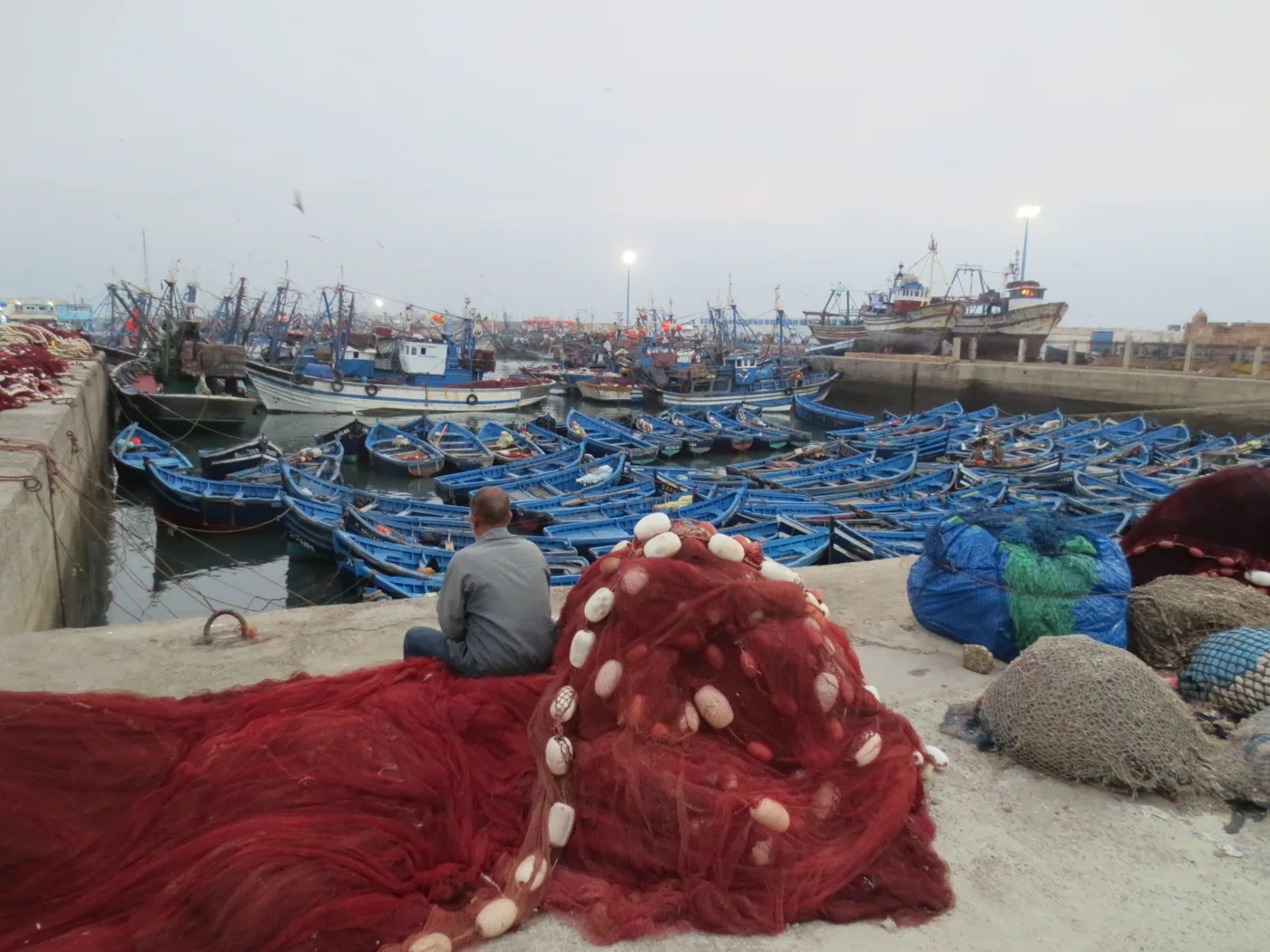
Essaouira is an appealing alternative if you want sea air, creative energy, and working hours that overlap comfortably with Europe. The medina, harbor, and long beach give you plenty to enjoy without planning an expensive weekend away.
Its remote-work community is smaller than the major Asian hubs, but there are dedicated places to connect. Rimal Network combines coworking and a café, offering an entry point into the local working scene.
A sub-$1,000 month calls for a simple room, shared apartment, or a particularly good longer-stay rental. Local meals and some cooking help, while boutique riads and daily tourist-priced restaurants quickly change the calculation.
Wind, damp interiors, and uneven accommodation Wi-Fi are the practical catches. Visit the room rather than judging it by rooftop photographs, and choose a reliable workspace if you spend much of your day on calls.
- Lean budget: $800–$950 a month, usually with basic or shared housing.
- Best for: Writers, designers, and founders serving European clients.
- Pros: Coastal walks, creative atmosphere, convenient European overlap.
- Cons: Wind, damp rooms, smaller professional community, seasonal prices.
- Budget move: Compare residential rentals beyond the most photographed medina streets.
25. Tamraght, Morocco
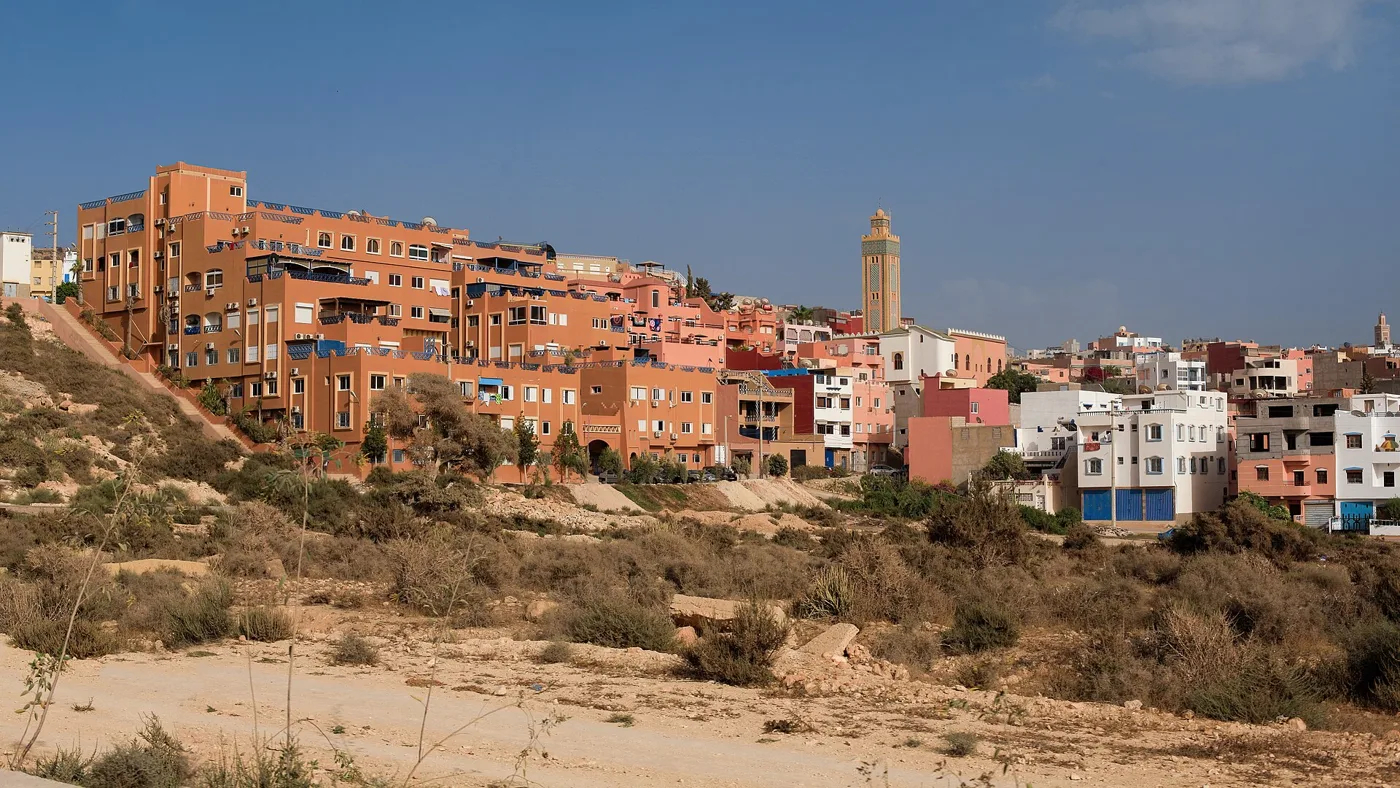
Tamraght sits near Taghazout on Morocco’s Atlantic coast and combines surf culture with an increasingly visible remote-work scene. It is worth comparing with its better-known neighbor when you want community without automatically paying for the most fashionable address.
Spaces such as Amsiln Studio and Kasbari provide more than a café table for your laptop. They give you places to meet other remote workers and establish a routine that includes both focused hours and time outside.
The lean budget depends on a monthly room or shared apartment, affordable meals, and avoiding an all-inclusive surf holiday package. Add accommodation and coworking together before booking, because a low room price can be misleading if workspace costs arrive separately.
Winter surf demand can raise prices, while summer closures affect some community spaces. Check operating dates, construction noise, and the uphill walk home before choosing where to spend a month.
- Lean budget: $800–$950 a month, with modest shared housing and careful timing.
- Best for: Surf-loving founders who want European working-hour overlap.
- Pros: Coworking community, ocean access, social outdoor lifestyle.
- Cons: Seasonal premiums, hills, construction, limited big-city services.
- Budget move: Separate your accommodation from surf packages and compare the total.
26. Weligama, Sri Lanka

Weligama gives you a beach-town setting with a recognizable international remote-work community. It suits people who want a morning in the water and a proper working day afterward, rather than having to choose between the two.
Coworking and coliving businesses help bring people together, alongside cafés, surf schools, and longer-stay guesthouses. That makes it easier to find potential work buddies than in a beach village built entirely around short holidays.
Under $1,000 is possible with a simple monthly room, Sri Lankan meals, and selective paid coworking. Beachfront accommodation, imported breakfasts, and daily surf lessons can push you beyond the target even when each purchase feels small.
The southwest monsoon changes the experience, and peak winter demand can tighten accommodation budgets. Test the property’s connection, ask about power backup, and confirm current workspace rates rather than relying on an old package price.
- Lean budget: $750–$950 a month.
- Best for: Sociable founders who want surfing alongside a working routine.
- Pros: International work community, ocean access, inexpensive local food.
- Cons: Seasonal rain, peak-season rent, variable power and Wi-Fi.
- Budget move: Look a short walk inland and confirm whether utilities are included.
27. Goa, India

Goa is a region rather than a single town, and your experience changes considerably depending on where you settle. The northern beach belt has more international social activity, while quieter areas can offer better conditions for focused work.
Indian founders, freelancers, creatives, and foreign travelers overlap here, giving you more than a conventional backpacker scene. Pick your specific coworking community first, then look for accommodation close enough to use it regularly.
A lean month is possible with a basic homestay or shared apartment outside holiday peaks. The budget becomes much harder if you combine a fashionable villa, full coworking, frequent taxis, and restaurant meals aimed at visitors.
Christmas and New Year prices can be a different universe, and monsoon bargains come with rain and possible service interruptions. Goa works best when you choose a neighborhood and season, rather than assuming the whole state shares one price tag.
- Lean budget: $700–$950 a month, outside peak holidays with simple housing.
- Best for: Creative founders wanting Indian business connections and beach access.
- Pros: Social variety, coworking options, local entrepreneurial community.
- Cons: Seasonal price jumps, transport costs, nightlife distractions, monsoon rain.
- Budget move: Choose a walkable daily routine instead of chasing the cheapest distant room.
28. Kochi, India
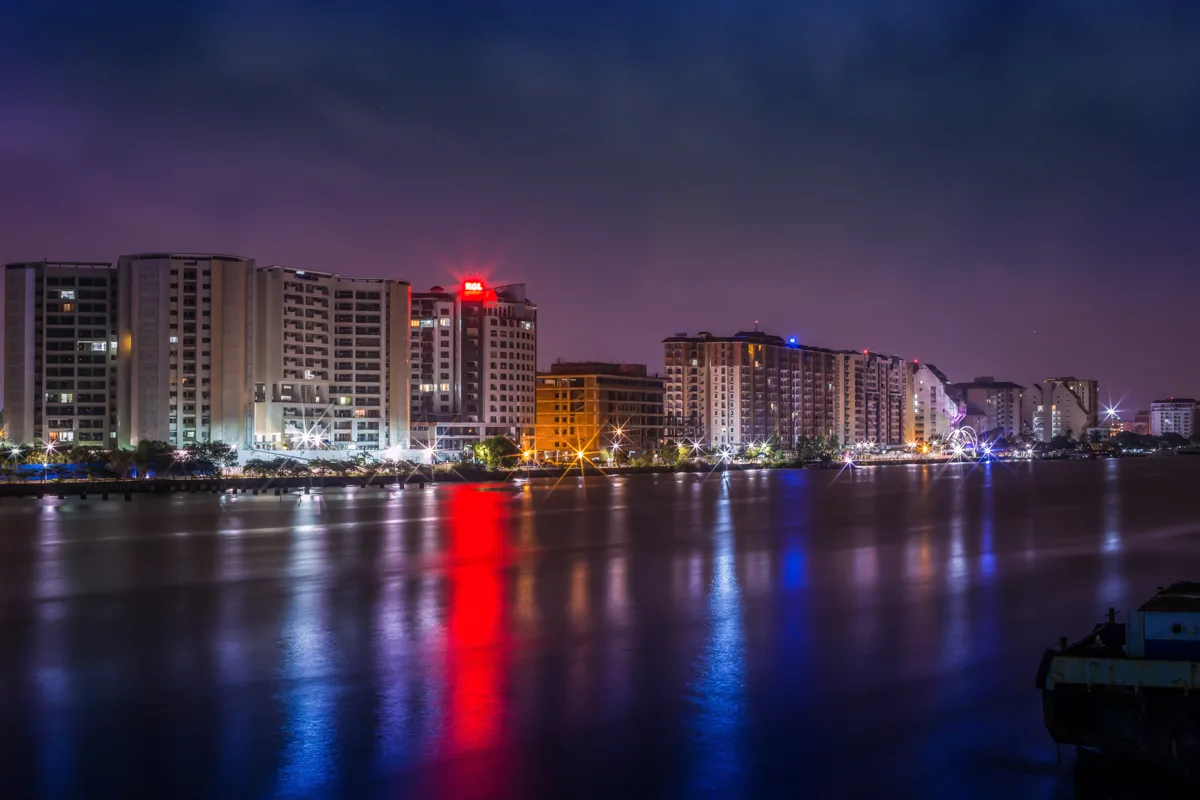
Kochi offers a useful combination of Kerala’s cultural life and a functioning commercial city. Fort Kochi brings heritage streets and international travelers, while the mainland has more of the everyday business and technology activity.
That distinction matters when you’re choosing a base. Stay near the people and workspaces you want to spend time with, rather than expecting the atmospheric visitor district and the startup ecosystem to be the same neighborhood.
Simple homestays, local meals, and modest transport spending can leave room for a dependable desk within the budget. It is a practical option for someone who wants to meet Indian professionals as well as other visitors.
Humidity, heavy monsoon rain, and cross-city travel are the main compromises. Check flood exposure and internet at the building level, and avoid a setup that requires a lengthy commute every working day.
- Lean budget: $600–$850 a month.
- Best for: Service-business owners and creatives interested in local professional connections.
- Pros: Affordable food and housing, cultural interest, established workspaces.
- Cons: Humidity, monsoon conditions, geographically scattered communities.
- Budget move: Choose your working neighborhood before choosing your accommodation.
29. Kuching, Malaysia

Kuching is an appealing Borneo base if you prefer a manageable daily routine to a packed nomad events calendar. Its waterfront, food culture, and access to Sarawak’s natural attractions make it interesting beyond the workday.
The foreign remote-work community is relatively small, so this is a better fit for self-directed people than anyone relying on instant friendships. Local workspaces such as iCube Innovation offer a route into Kuching’s entrepreneurial community.
A basic monthly rental, local food, and restrained transport spending can keep the budget below $1,000. National park trips and wildlife excursions are excellent reasons to visit, but should have their own travel allowance.
The city is spread out, and rain and humidity are regular features. Sarawak also has separate immigration controls, so verify the permission that applies to your stay rather than assuming mainland Malaysia’s arrangements transfer automatically.
- Lean budget: $700–$950 a month.
- Best for: Independent founders who want a quieter city and access to nature.
- Pros: Local entrepreneurial connections, food, Borneo setting.
- Cons: Small nomad scene, car-oriented areas, rain, separate entry considerations.
- Budget move: Stay near your workspace and daily food options to limit ride-hailing costs.
30. Vientiane, Laos

Vientiane offers a quieter capital-city experience than Bangkok or Hanoi. It is a possible base for founders who enjoy a slower routine, Mekong-side evenings, and a destination that hasn’t organized itself entirely around remote workers.
The professional community is smaller, but dedicated spaces exist. Toong Samsenthai provides a practical starting point for meeting local professionals and finding a more dependable working environment than a random guesthouse table.
The under-$1,000 version relies on a modest monthly rental, Lao meals, and limited imported comforts. Short hotel stays and Western restaurants can make the same city considerably more expensive than its budget reputation suggests.
Internet redundancy, specialist healthcare, and limited social variety are the main tradeoffs. Confirm your workspace and mobile backup before settling in, and consider a short trial stay if a large founder community is important to you.
- Lean budget: $800–$950 a month, with local-style accommodation and meals.
- Best for: Experienced solo workers who prefer a quiet capital to a busy hotspot.
- Pros: Slower pace, local professional contacts, dedicated coworking options.
- Cons: Smaller community, uneven infrastructure, limited specialist healthcare.
- Budget move: Price the rental and reliable workspace together before choosing a neighborhood.
31. Santa Marta, Colombia

Santa Marta brings together Caribbean beaches, the Sierra Nevada mountains, and working hours that suit clients in North America. Minca and Tayrona make tempting escapes when you need a proper break from your screen, although excursions need their own budget.
The nomad community is smaller than Medellín’s, with opportunities to meet both foreigners and Colombian entrepreneurs. Compare El Rodadero for a beach-oriented routine with the historic center for cafés and workspaces such as Suma Coworking, then choose a base near the people and places you will actually use.
A lean month under $1,000 is plausible with a modest monthly room or shared apartment, local set lunches, and some home cooking. Holiday rentals, frequent taxis, and heavy air-conditioning use can push costs up, so confirm electricity charges and avoid assuming a beachfront apartment fits the same budget.
Heat, humidity, and neighborhood-dependent security are the main compromises. Test the property’s internet, ask about water and power reliability, and use trusted transport after dark rather than choosing accommodation solely on price.
- Lean budget: $800–$950 a month, with modest or shared housing outside holiday peaks.
- Best for: Nature-loving founders who want Caribbean living and Americas working hours.
- Pros: Beach and mountain access, local and international connections, affordable local food.
- Cons: Heat, electricity costs, security precautions, variable utility reliability.
- Budget move: Compare monthly rooms in El Rodadero and central residential areas, including utilities, before booking a tourist apartment.
32. Oaxaca City, Mexico

Oaxaca City brings together remarkable food, living Indigenous traditions, and a creative international community. It is a compelling place to build a business if learning Spanish, exploring markets, and meeting artists sound like a good life beyond the laptop.
The remote-work scene gives you practical ways to find peers. Co404, for example, combines accommodation, coworking, shared kitchens, and organized activities, making it easier to establish a social routine rather than starting from scratch every week.
This is a tighter budget fit than the cheapest Asian destinations. Staying under $1,000 generally means a room in a shared home or a budget coliving option, market meals, home cooking, and limited paid outings; a stylish private apartment and daily restaurant dining usually require more.
Avoid assuming ordinary monthly prices apply around Día de Muertos or other major festivals. Check water availability, nighttime noise, and your route home, and treat neighborhood selection as more important than finding the lowest advertised rent.
- Lean budget: $850–$950 a month, with shared housing or a budget room outside major festivals.
- Best for: Creative founders who want cultural immersion and Americas working hours.
- Pros: Food, arts, Spanish-learning opportunities, established international work community.
- Cons: Tight budget, festival rent spikes, noise, variable water supply.
- Budget move: Compare room-and-workspace packages with a shared rental, including all fees.
33. Varkala, India
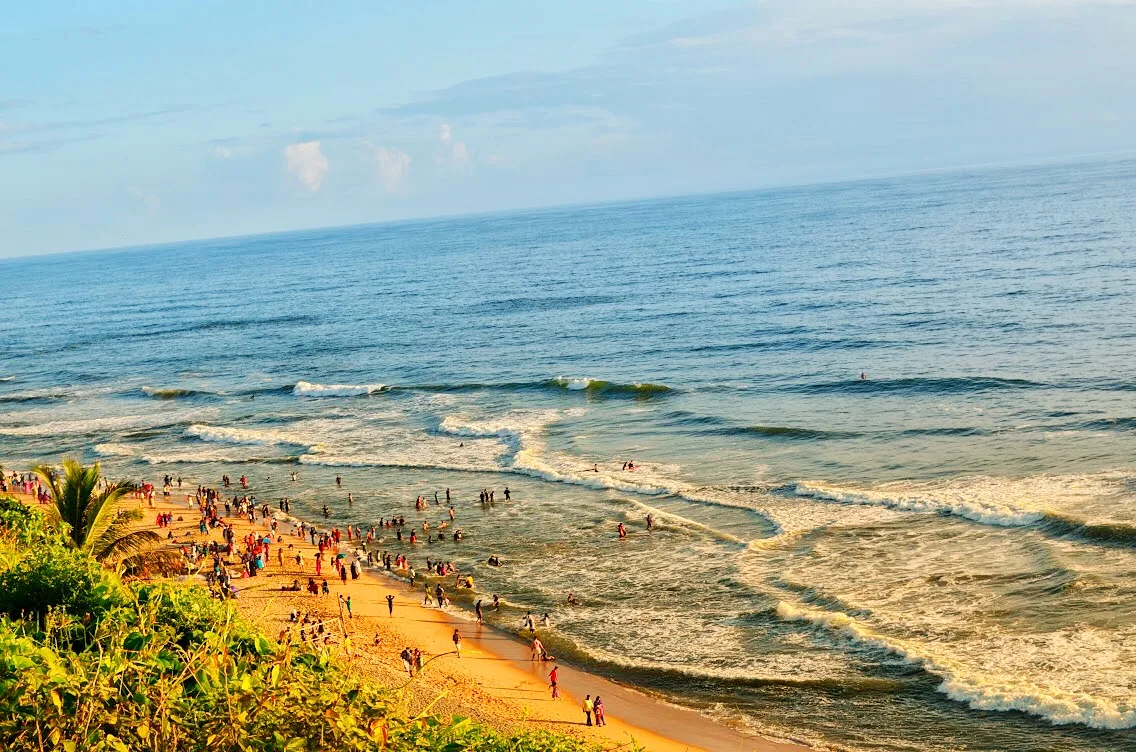
Varkala offers Kerala’s coastal scenery with a smaller-town atmosphere than Kochi. Its cliffside cafés, beaches, and yoga community appeal to people who want a workday with a clear stopping point and somewhere pleasant to go afterward.
The social scene leans toward travelers, wellness practitioners, and Indian remote workers rather than startup networking. A sociable guesthouse or work-friendly hostel can help you meet people, but expect to organize your own accountability sessions.
A simple monthly homestay away from the most expensive cliffside locations can keep costs manageable. Local Kerala meals and a room with a useful desk make the budget more realistic than daily Western café meals and a premium sea-view stay.
Dedicated coworking is limited, so verify your actual work setup before committing. Monsoon conditions, humidity, and peak-season prices affect the experience, while a café with a wonderful view may still be noisy or unsuitable for confidential calls.
- Lean budget: $650–$900 a month, with a modest monthly homestay and mostly home-based work.
- Best for: Writers, coaches, and wellness entrepreneurs who prefer a relaxed beach base.
- Pros: Coastal setting, international traveler community, affordable local meals.
- Cons: Limited formal coworking, seasonal rain, variable connectivity, tourist premiums.
- Budget move: Choose a comfortable room with verified Wi-Fi a short walk from the cliff.
34. Ipoh, Malaysia

Ipoh is a good candidate for people who enjoy café culture, local food, and a slower city routine. Limestone hills and cave temples add interest beyond the working week without requiring you to live in a major tourist resort.
The foreign nomad scene is much smaller than Kuala Lumpur’s or Chiang Mai’s, so this is better for independent workers than anyone expecting instant community. Workspaces such as Werk Wonders offer a place to meet local professionals and get out of your accommodation.
Basic monthly rentals and inexpensive meals make a lean budget plausible. Choose an older studio or room in a shared home, and compare transport costs before assuming a cheaper place on the outskirts will save money overall.
Heat, car-oriented areas, and a quieter social calendar are the main compromises. Short-stay furnished rentals can also cost considerably more than local rent benchmarks, so secure a suitable monthly quote before treating the budget as settled.
- Lean budget: $750–$950 a month, with simple housing and controlled transport spending.
- Best for: Self-directed founders who value food, local connections, and a calmer routine.
- Pros: Affordable local meals, workspaces, distinctive landscapes and heritage.
- Cons: Small international work community, heat, potentially costly daily transport.
- Budget move: Rent near your workspace and regular food stops rather than on the city’s fringe.
35. Malang, Indonesia

Malang offers a university-city setting in East Java with a cooler feel than many coastal Indonesian destinations. It is an appealing alternative if you want low living costs and more contact with everyday Indonesian life.
Students, local creatives, and entrepreneurs shape the working environment more than foreign nomads do. Spaces such as Osborn combine coliving and coworking, although the wider international community remains small compared with Bali’s.
A modest monthly room and meals at local warungs can leave room in the budget for a proper place to work. Compare bundled accommodation with a separate room and workspace, rather than assuming a property marketed to nomads is automatically the best value.
Traffic, rain, and fewer English-speaking social circles are the main adjustments. Learn some Bahasa Indonesia, test your internet during working hours, and keep volcano tours and other excursions outside your everyday living budget.
- Lean budget: $550–$800 a month.
- Best for: Developers, designers, and culturally curious founders comfortable building their own network.
- Pros: Low everyday costs, student and creative communities, highland surroundings.
- Cons: Small foreign nomad scene, language adjustment, traffic, fewer specialist work facilities.
- Budget move: Choose a monthly room near local cafés and a workspace you have tested.
The affordable digital nomad hotspot shortlist at a glance
Here are some of the best digital nomad hotspots worth considering.
| Destination | Lean monthly living budget | Main appeal | Budget condition |
|---|---|---|---|
| 1. Chiang Mai, Thailand | $750–$950 | Established entrepreneur community | Simple rental outside the priciest blocks |
| 2. Pokhara, Nepal | $550–$800 | Mountains, nature, slower living | Monthly guesthouse and local meals |
| 3. Da Nang, Vietnam | $700–$950 | Beach life with work infrastructure | Modest studio away from beachfront premiums |
| 4. Hoi An, Vietnam | $750–$950 | Community and cycling countryside | Homestay room; watch coworking costs |
| 5. Chiang Rai, Thailand | $650–$850 | Quiet, affordable northern Thailand | Accept a smaller nomad scene |
| 6. Pai, Thailand | $650–$900 | Creative community and nature | Monthly room; avoid peak-season premiums |
| 7. Kathmandu Valley, Nepal | $650–$900 | Local founders and cultural depth | Simple room around Patan or quieter districts |
| 8. Hanoi, Vietnam | $750–$950 | Urban energy and local business connections | Avoid premium expat apartments |
| 9. Da Lat, Vietnam | $600–$850 | Cooler weather and café culture | Work mainly from home and cafés |
| 10. Nha Trang, Vietnam | $700–$950 | Affordable coastal routine | Inland apartment; smaller professional network |
| 11. Siem Reap, Cambodia | $650–$900 | Sociable small-city living | Local rental and limited air-conditioning use |
| 12. Kampot, Cambodia | $600–$850 | Slow riverside living | Simple room close to town |
| 13. Yogyakarta, Indonesia | $550–$800 | Local creatives and entrepreneurs | Guesthouse or monthly room |
| 14. Ubud, Indonesia | $850–$950 | Wellness and creative businesses | Basic homestay; limited paid coworking |
| 15. George Town, Penang, Malaysia | $800–$950 | Food, culture, everyday convenience | Room or older basic studio |
| 16. Dumaguete, Philippines | $700–$950 | English-speaking coastal university city | Simple rental; budget for reliable connectivity |
| 17. Rishikesh, India | $550–$800 | Yoga, mindfulness, wellness community | Monthly room rather than retreat package |
| 18. Dharamshala and Dharamkot, India | $550–$800 | Himalayan work retreat | Modest guesthouse outside peak demand |
| 19. Bansko, Bulgaria | $850–$950 | Strong nomad community in Europe | Shared or bargain off-season accommodation |
| 20. Kuala Lumpur, Malaysia | $850–$950 | Business networks and city infrastructure | Shared apartment near public transport |
| 21. Cusco, Peru | $800–$950 | Andes, culture, international community | Basic monthly room; excursions extra |
| 22. Arequipa, Peru | $750–$950 | Affordable city life in the Americas | Local monthly rental and simple meals |
| 23. Cuenca, Ecuador | $800–$950 | Cooler climate and settled international community | Modest or shared housing; review regional security |
| 24. Essaouira, Morocco | $800–$950 | Coastal creativity and European working hours | Basic or shared housing outside peak demand |
| 25. Tamraght, Morocco | $800–$950 | Surf and coworking community | Shared rental; careful seasonal timing |
| 26. Weligama, Sri Lanka | $750–$950 | Surfing and an international work scene | Simple inland room and local meals |
| 27. Goa, India | $700–$950 | Creative and entrepreneurial community | Basic housing outside holiday peaks |
| 28. Kochi, India | $600–$850 | Cultural life and local professional connections | Simple homestay near your workspace |
| 29. Kuching, Malaysia | $700–$950 | Quiet Borneo base and local entrepreneurs | Modest rental; limit transport spending |
| 30. Vientiane, Laos | $800–$950 | Slow capital-city routine | Local-style rental and confirmed work setup |
| 31. Santa Marta, Colombia | $800–$950 | Caribbean beaches, mountains, Americas working hours | Modest or shared housing; check utilities and location |
| 32. Oaxaca City, Mexico | $850–$950 | Food, culture, international work community | Shared housing or budget room outside major festivals |
| 33. Varkala, India | $650–$900 | Beaches and wellness community | Monthly homestay; verify home-working setup |
| 34. Ipoh, Malaysia | $750–$950 | Food, heritage, quieter city routine | Simple housing near daily needs |
| 35. Malang, Indonesia | $550–$800 | Local creatives and low everyday costs | Modest monthly room and local meals |
Ranges are editorial estimates informed by the sources linked below. The upper limits describe a deliberately constrained lifestyle, not a promise that every suitable rental will fit. Asia dominates because this combination of affordability, community, and usable work infrastructure is easier to find there.
How to make the move help your business
Choose one base for a meaningful working stretch rather than treating the list as a checklist. Constant moves cost money, interrupt routines, and send you back to the beginning socially.
Book a short initial stay before committing to monthly accommodation. Test a video call during your normal working hours, check noise at night, and walk the route to your workspace and regular meals.
Build community deliberately. Find two or three people for a weekly coworking session, share what you plan to finish, and check in the following week. A small, consistent group can be more useful than a calendar full of introductions.
Make local connections too. Learn useful phrases, buy from local businesses, attend activities that aren’t exclusively for foreigners, and respect the fact that you are living in someone else’s home city.
Keep your complete budget visible. A sample $900 living budget might allocate $300 to housing, $240 to food, $100 to workspace and café spending, $70 to utilities and connectivity, $50 to transport, $60 to personal expenses, and $80 to a small monthly buffer. That is an illustrative spending plan, not a quoted package available in every destination.
Before choosing your length of stay, check official immigration rules for your passport and intended work. Low living costs do not automatically make you eligible for a remote-work visa, and tourist permission should not be assumed to authorize working. Keep insurance, immigration costs, business expenses, and a separate emergency fund outside the living-budget calculation.
For a first shortlist, I’d compare Chiang Mai for the business community, Pokhara for nature and low costs, and Da Nang for a beach-and-work balance. Add Bansko if European hours matter and you’re comfortable sharing accommodation.
Give the stay a concrete purpose: validate an offer, sign your first clients, or launch something people can buy. Then build a weekly routine around that outcome, with enough room for friendships and a life you enjoy.
The extra runway is valuable when you use it. Pick a place, get settled, and make something worth paying for.

I believe the future of education starts with helping people find their "zone of genius" so they can develop their uniquely human ability to create meaning, connection and community (that A.I. can't replicate).
I'm also big on completely unplugging from tech to recharge on nature retreats and trekking adventures. That led me to start my most recent company Sacred Treks.
- The Workshop Funnel: How To Fill, Run And Sell From A Live Workshop - October 28, 2026
- Workshops Vs Webinars: Which Is Better For Selling Your Expertise? - October 28, 2026
- 15 Benefits of Neurofeedback Training Backed by Science - October 28, 2026


