


I follow health and biohacking wearables closely, and I try a lot of the new devices that come out. I am especially interested in tools that could help me improve my focus, harness my creativity better and explore different states of consciousness.
In 2026, the most impressive device I’ve tried was the Neurable One, a pair of smart headphones with built-in EEG sensors on the earpads that make it easy to track and improve your focus at work.
What’s coming down the pipe in 2027 looks even better with a whole bunch of new biohacking wearables that have the potential to push the frontiers of human potential and peak performance to higher levels.
What draws me to these companies is their willingness to think big. Better batteries and more accurate sensors matter, but the familiar yearly upgrades to fitness trackers, smartwatches and smart rings rarely get me this curious. I want to see what becomes possible when people rethink what a wearable can actually do.
Some of these ideas could change how we train attention, practice meditation, recover from stress or interact with technology. Some may fall short, especially the early-access products. I can appreciate the ambition while still asking whether the evidence supports the promises.
That is the spirit of this guide: curiosity, optimism and a willingness to experiment. I want technology that helps me feel and function better in everyday life, with benefits that continue after I take the device off.
1. Temple
Best for: early adopters curious about recovery, ageing and physiological resilience.
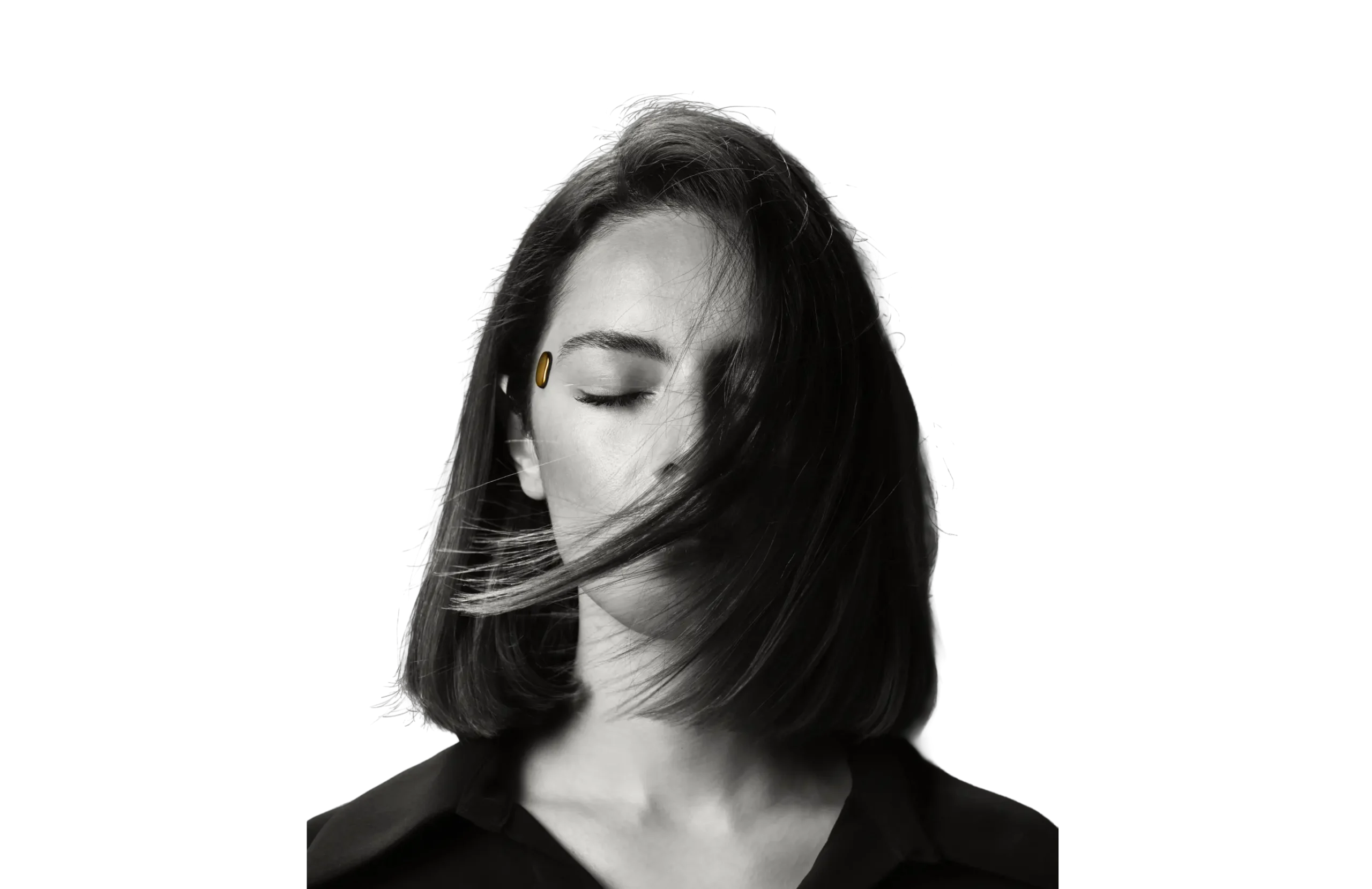
Temple interests me because it explores a different place to measure physiology: the side of the head. Its current pitch centres on an “Entropy” metric, which the company describes as the body’s moment-to-moment physiological cost of staying alive and responding to demands.
I would want to investigate whether its trends reveal useful patterns around sleep, exercise and demanding workdays, rather than simply giving me another daily score.
Temple publishes a science and research page covering its optical sensing and BrainFlow index, including comparisons with reference methods. That gives prospective users something more concrete to examine than a polished product video.
Its BrainFlow validation and its broader Entropy proposition are different claims. Correlation with a reference measurement does not establish that the finished product can measure biological age, improve cognition or extend life; some listed validation work is in preprint form.
Price and availability: the website offers early-access registration, with no public retail price or confirmed shipping date on the pages checked. For now, this belongs on my research watchlist rather than my shopping list.
2. Atlas 1.0
Best for: exploring attention and mental strain during ordinary life.
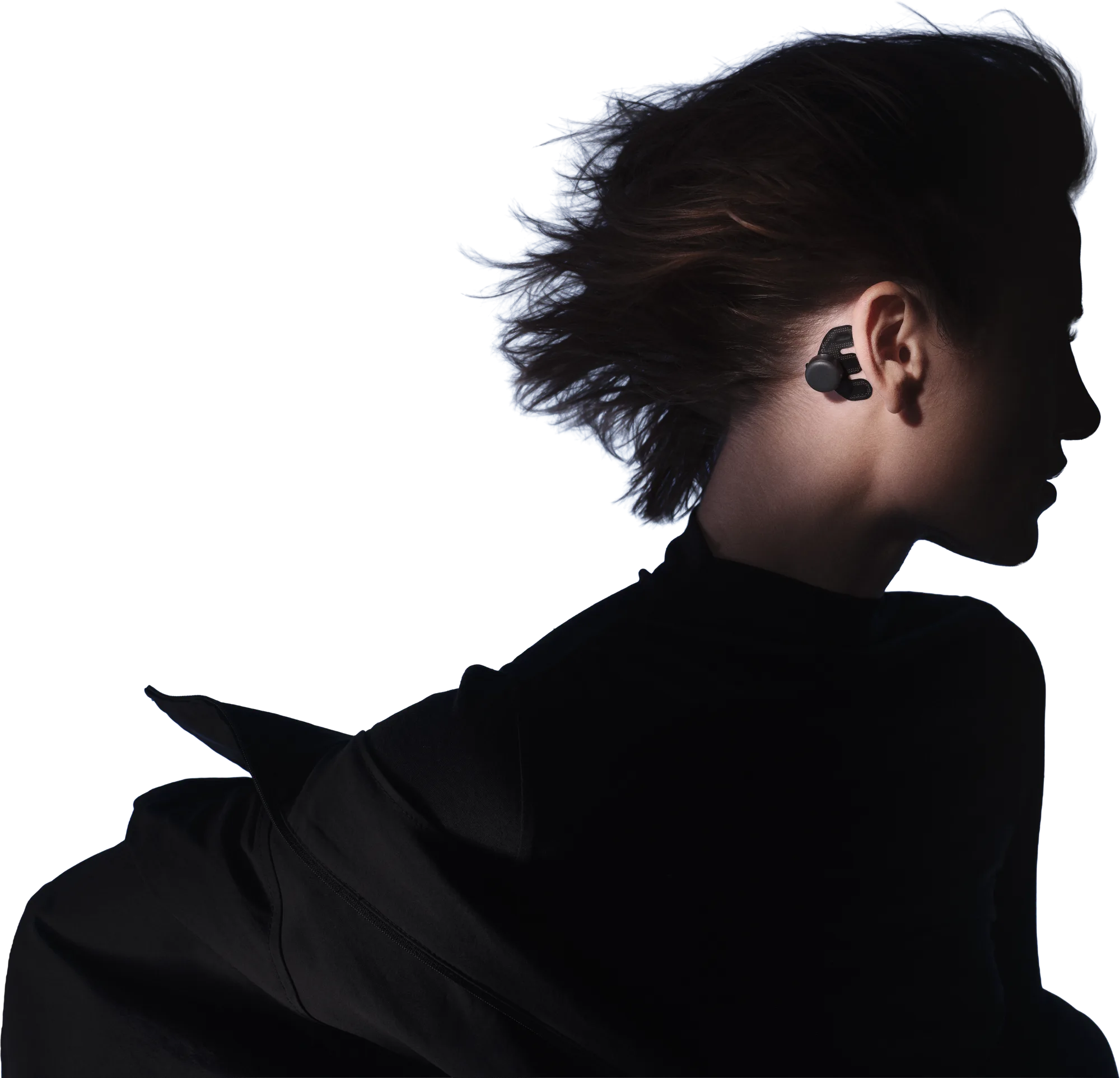
Atlas 1.0 is a tiny brain wearable combining EEG, skin conductance and movement sensing. Its app is designed to translate those signals into three metrics: Presence, Stress and Energy Burn.
I am particularly curious whether it could reveal useful differences between focused work, meetings and time outdoors, beyond what I notice myself.
Its small form factor and emphasis on sensing during movement make it interesting. Atlas also advertises connections to AI tools, potentially making a personal brain-data history easier to explore.
These scores are interpretations, not direct readings of thoughts or literal brain calories. Ongoing sensors and membership add cost, and the first release is restricted to the US and compatible iPhones.
Price and availability: the $499 Pioneer Edition is listed as sold out, with notification signup available and shipping expected in Q1 2027. The first three membership months are included; membership then costs $29.99 monthly for app access and sensor replenishment.
3. Prophetic
Best for: following experimental technology for dream awareness and consciousness exploration.
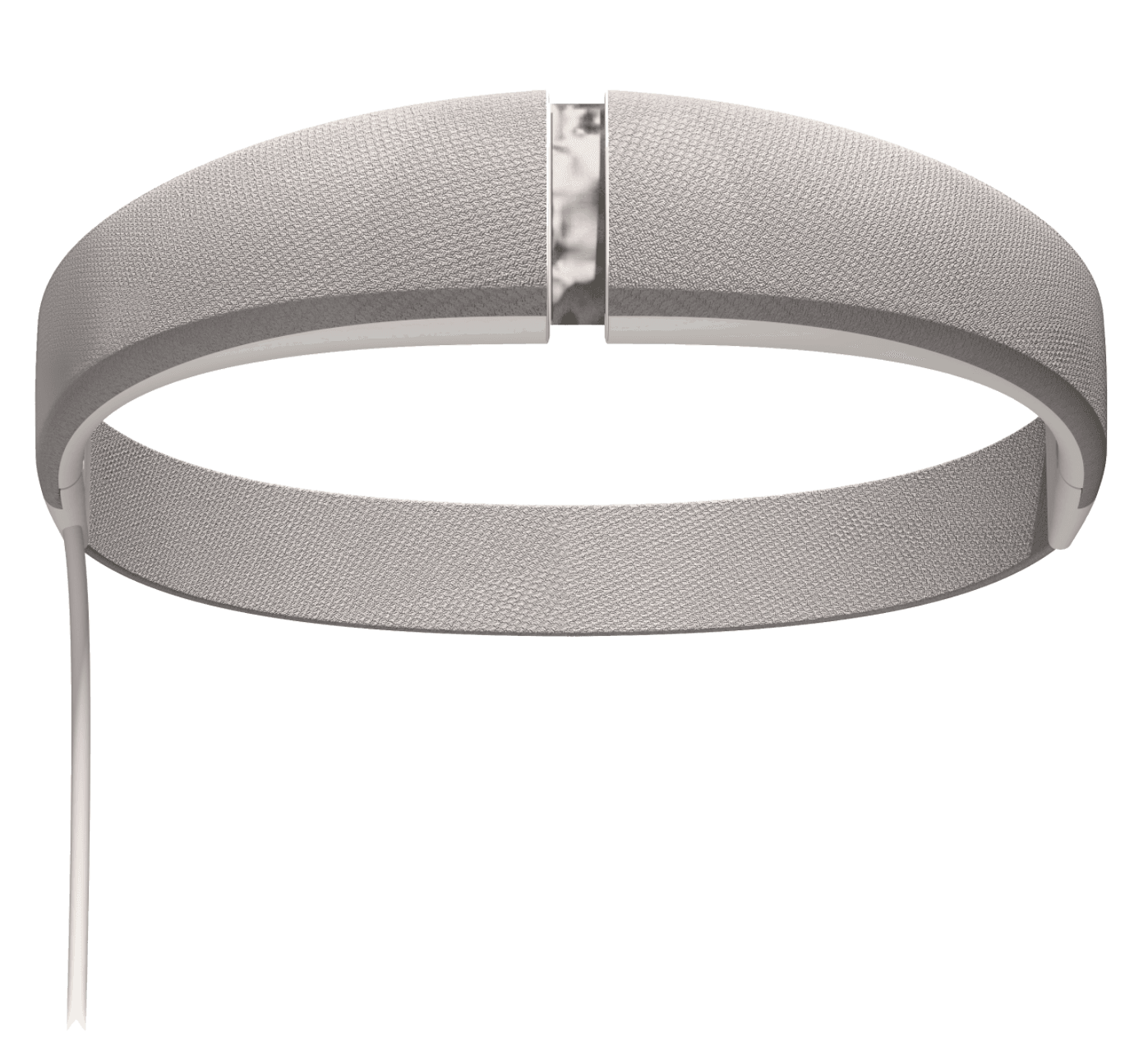
Prophetic is developing headbands intended to support lucid dreaming through low-intensity ultrasound aimed at the prefrontal cortex. Its current range comprises Dual and the more advanced Phase, which adds neural sensing and adaptive stimulation.
The possibility is fascinating, but I would approach it as an experimental recreational device rather than a proven sleep intervention.
Its ambition reaches beyond recording sleep into influencing the dream experience. I would want to know whether users become lucid more reliably and whether that comes without disrupting restful sleep.
Company beta testimonials and reported effects do not establish predictable results or long-term safety. Statements about ultrasound output being below certain FDA limits are not equivalent to FDA approval of these products.
Price and availability: Dual costs $449; its sold-out first batch targets late 2026, while current second-batch orders target early 2027. Phase costs $1,299 and targets mid-to-late 2027, making both current purchase offers presales rather than immediate-delivery retail orders.
4. NOVA One
Best for: following experimental tools for reinforcing learning during sleep.

NOVA One is a sleep headband designed around targeted memory reactivation. The idea is to pair learning with a sensory cue, then replay that cue during suitable sleep stages using bone-conduction audio and tactile feedback.
I am curious whether it could help reinforce something I have already studied or practised. The interesting possibility is supporting the brain’s overnight consolidation of learning, rather than trying to learn entirely new material while asleep.
The company describes physiological sensing and on-device processing to time those cues. This makes NOVA an active learning-support concept, beyond the usual sleep score.
The advertised retention figures come from controlled laboratory studies of targeted memory reactivation, not independent trials of this finished headband. Whether it can identify suitable sleep stages, deliver useful cues and preserve restful sleep at home remains to be established.
Price and availability: parent company OPTES lists a working prototype and an estimated 2027 launch. NOVA’s product website offers a waitlist; no public retail price has been verified.
5. Sabi
Best for: following the frontier of thought-to-text computing.

Sabi is developing a brain-computer interface inside everyday-looking headwear. Its goal is to translate brain signals associated with thoughts and attempted speech into computer input, with AI agents carrying out tasks.
It belongs on this list as an experimental interface, rather than a conventional health tracker or an established tool for training focus.
A comfortable hat would be a compelling form factor for hands-free interaction. I am curious whether something like this could eventually capture an idea without pulling me out of a creative moment.
The company’s public claims are much broader than the performance detail on its homepage. Before judging its usefulness, I would want independent demonstrations of accuracy, calibration requirements and reliability outside controlled conditions, plus clear neural-data protections.
Price and availability: the official website currently offers a waitlist. I could not verify a public purchase price or firm consumer shipping date there, so I would describe Sabi as in development, not available to buy now.
6. AWEAR
Best for: noticing when mental strain is building and connecting it with daily activities.

AWEAR is a small EEG sensor worn behind the ear with an adhesive patch. It is designed to translate brain activity into app feedback about stress, focus and emotional patterns throughout the day.
I would want to test whether its prompts help me take a useful break before I realize I need one.
The discreet design seems more practical for everyday use than a full headset. The current beta offer also includes lifetime app access, avoiding an advertised recurring app fee.
This is explicitly a beta product, and the app currently supports iPhones only. EEG-based emotional scores remain algorithmic interpretations; patch comfort, replacement costs and the usefulness of alerts would all matter in a hands-on test.
Price and availability: AWEAR is accepting paid beta orders at $195, including the wearable, starter patches and lifetime app access. Free US shipping is advertised; Android support is described as coming later, with no confirmed date on the page checked.
7. Neurohale
Best for: building brief breathing breaks into the day.

Neurohale takes a refreshingly simple approach: a gentle pulse on the wrist guides breathing. Its stated design uses one button, no screen and no app, with the focus on practising a skill rather than monitoring a stream of scores.
I would be interested in using it between calls or when transitioning out of work, especially when opening my phone would create more distraction.
Tactile guidance could make breathing practice easier to follow discreetly. Sometimes the most useful wearable is the one that helps you do something you already know is worth doing.
A breathing cue is not the same as directly measuring or electrically stimulating the vagus nerve. Its practical value would depend on comfort, usable pacing and whether it improves consistency enough to justify buying hardware.
Price and availability: Neurohale announces a €179 one-time price and a Q4 2026 shipping target. The current founding list is free to join without a card; I would classify that as prelaunch registration, not proof that retail units are already shipping.
8. Sychedelic
Best for: early adopters curious about combining relaxation and focus support with everyday listening.
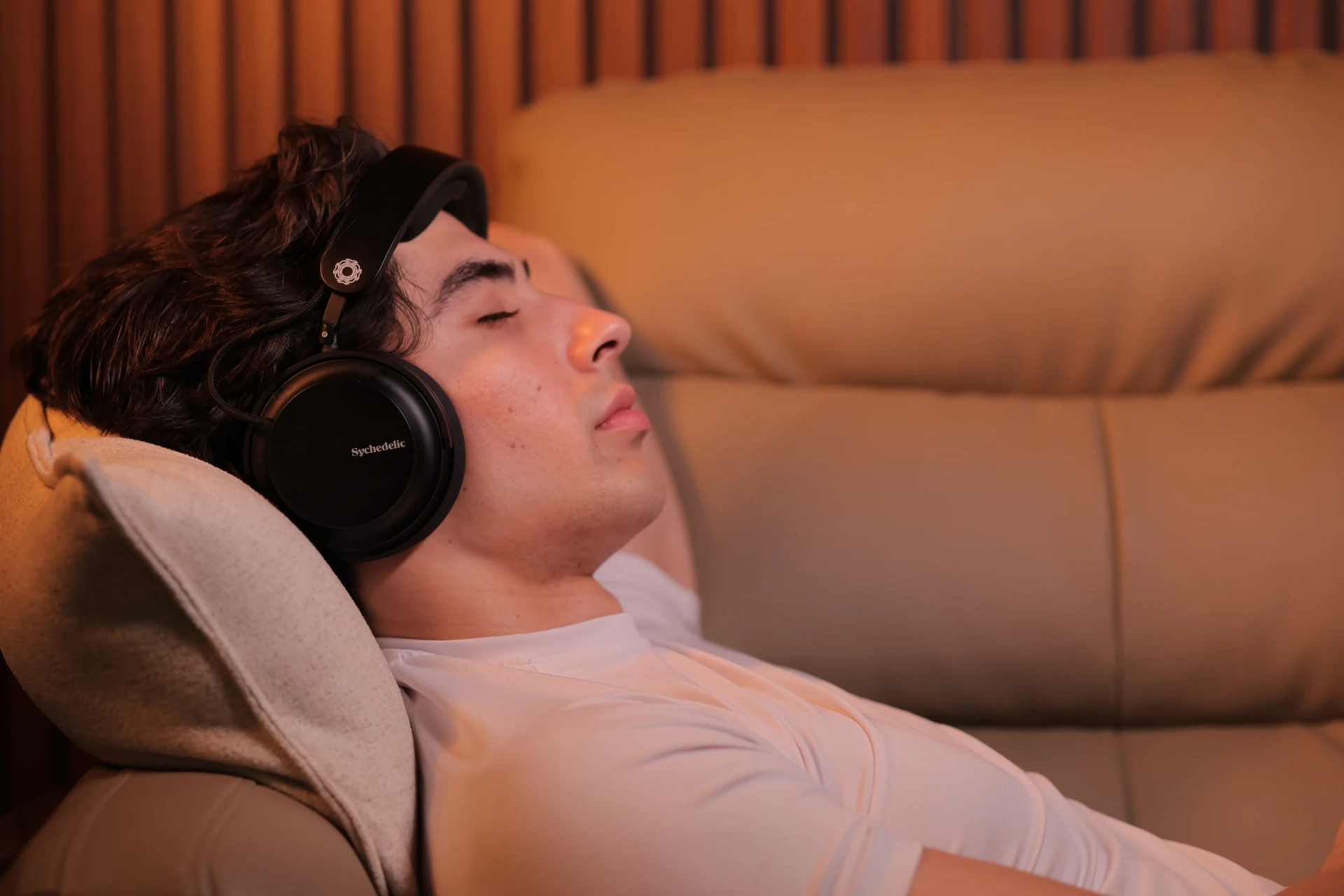
Sychedelic puts pulse sensing, personalised audio and tDCS into over-ear headphones. Its optical sensor tracks pulse-derived heart rate variability, while the company aims to tailor sessions to your state and goals.
I like the possibility of building a useful practice into something I already wear, without reaching for another gadget.
Sychedelic describes an AI-powered feedback loop that measures, adapts and responds. It also advertises noise cancellation and core features without a subscription, making the headphones interesting beyond dedicated wellness sessions.
HRV does not directly read thoughts or measure brainwaves. The advertised focus benefits need product-specific validation, and tDCS requires attention to suitability and instructions; electrode replacements also add cost.
Price and availability: the Founding Edition is advertised at $549, against a $799 reference price. The preorder is $149 now and $400 before shipping; the homepage targets December 2026. This is a preorder, not an immediately available product.
9. Lume Band
Best for: exploring daily cortisol patterns alongside sleep, stress and recovery.

Lume is developing a hormone-focused wearable platform, starting with cortisol. Its initial approach combines signals such as heart rate, movement, temperature and sleep with saliva-test calibration and additional measurements from its band to estimate a person’s cortisol rhythm.
I would be interested in comparing how those patterns change with exercise, travel and different daily routines. A useful view of the whole day could add context that a single wellness score misses.
The first units are designed to work with Apple Watch. Longer term, Lume aims to read cortisol directly and continuously from sweat, potentially bringing biochemical sensing into everyday wearables.
That direct sweat-cortisol sensor is still in development. Lume’s FAQ distinguishes it from the initial model-based estimates, even though some promotional language suggests direct measurement. I would want product-specific accuracy data before treating either approach as equivalent to laboratory testing.
Price and availability: Lume announced a full-launch target for 2027 and currently offers a waitlist. Its earlier band reservation URL was unavailable when checked on November 3, 2026, so final hardware pricing and delivery terms need confirmation.
10. EIVO Pro
Best for: following smartwatch-informed electrical brain stimulation.

EIVO Pro is a tDCS headband designed to combine low-current brain stimulation with information from a compatible smartwatch. The company describes using heart rate, HRV, sleep and activity to recommend sessions and track responses.
What interests me is connecting everyday measurements with a deliberate intervention. I would want to test whether that added context makes the sessions more useful than a fixed routine.
EIVO describes 20-minute daytime sessions and a system that learns from individual patterns. A compatible smartwatch is required for its prediction and personalisation features, although the headband can deliver stimulation alone.
The website describes pilot improvements without enough study detail to independently assess efficacy. An HRV change does not establish improved brain function or prove stimulation caused a benefit. Product-specific validation and suitability guidance remain important.
Price and availability: the early-bird offer is approximately $269 USD ( ₹24,999), including a $27 refundable deposit and the remaining $239 due at shipping, currently targeted for Q1 2027. Core features require no mandatory subscription, although electrode sponges need periodic replacement.
The devices at a glance
| Device | Most interesting use | Listed price | Availability |
|---|---|---|---|
| 1. Temple | Experimental physiology and recovery insights | Not published | Early-access registration |
| 2. Atlas 1.0 | Brain activity during everyday life | $499 + $29.99/month after 3 included months | Pioneer batch sold out; Q1 2027 target |
| 3. Prophetic | Experimental lucid dreaming | $449 Dual; $1,299 Phase | Presale; current orders target 2027 |
| 4. NOVA One | Sleep-based memory reinforcement | Not published | Prototype and waitlist; estimated 2027 launch |
| 5. Sabi | Experimental thought-to-text computing | Not published | Waitlist |
| 6. AWEAR | Everyday stress and focus awareness | $195 beta offer | Paid beta; iPhone only |
| 7. Neurohale | Screen-free breathing guidance | €179 announced | Founding list; Q4 2026 shipping target |
| 8. Sychedelic | Personalised audio and stimulation for calm and focus | $549 total; $149 deposit | Preorder; conflicting Nov/Dec 2026 targets |
| 9. Lume Band | Personal cortisol-rhythm estimates | Final hardware price unverified | 2027 launch target; waitlist |
| 10. EIVO Pro | Smartwatch-informed tDCS sessions | ₹24,999; ₹2,499 deposit | Q1 2027 shipping target |
The future of wearables and AI
The future I am most excited about is a wearable that helps me act on what it learns. Tracking can make a pattern visible. The next step is helping me change that pattern in a way that improves how I feel, recover and move through the day.
AI could make that support far more personal. With reliable sensors and enough context, a device could learn how my sleep, workload, movement and routines relate to changes in my energy or attention. It could suggest a useful action at the right moment, then help me assess whether it made a difference.
Imagine headphones suggesting a short breathing session after a demanding meeting, then checking how your physiological signals respond. Or a wearable helping you compare different wind-down routines over several weeks, so you can see which one consistently supports better sleep. These are possibilities to work towards, not capabilities I would assume every product here already delivers.
Some of the devices in this guide are already attempting parts of that cycle through audio, tactile guidance, biofeedback or stimulation. The longer-term opportunity is to connect sensing and support more intelligently: notice a change, offer an appropriate response and learn from the result. For stimulation, that adaptation would need to stay within carefully tested safety limits.
For health, I see potential in more personalised habit coaching, earlier recognition of meaningful changes and clearer information to discuss with a clinician. A useful AI companion would also know when the data is uncertain. A change in a wearable score is a reason to investigate, not automatically a diagnosis or proof that an intervention worked.
The real test will be whether these tools produce lasting benefits outside their apps. Do they help people sleep better, manage everyday stress, build attention skills or follow through on healthier routines? That will require good studies, thoughtful design and meaningful control over sensitive health and brain data.
I do not expect every ambitious idea on this list to succeed. But I am glad people are trying to move the field forward, and I want to keep exploring what works. The future I want is technology that helps us become healthier, more capable and more present, with more time and energy left for actually living.

I believe the future of education starts with helping people find their "zone of genius" so they can develop their uniquely human ability to create meaning, connection and community (that A.I. can't replicate).
I'm also big on completely unplugging from tech to recharge on nature retreats and trekking adventures. That led me to start my most recent company Sacred Treks.
- 10 Innovative New Biohacking Wearables I’m Excited For In 2027 - November 9, 2026
- Neurable One Review: Can These EEG Headphones Help You Reclaim Your Focus? - November 9, 2026
- 40 Best Health & Wellness Conferences Happening In 2026/2027 - November 8, 2026