



We are living through one of the most exciting periods in the history of health and wellness.
For the first time, we have access to technologies that allow us to understand our bodies, train our minds, and take a much more active role in our health and longevity. Advances in artificial intelligence, neuroscience, wearable technology, regenerative medicine, and human performance are challenging what we thought was possible.
The future of health is shifting from treating illness to preventing it. From simply extending lifespan to improving healthspan, the years we spend feeling healthy, energized, mentally sharp, and fully alive.
And perhaps most exciting of all, these innovations are no longer confined to research laboratories, universities, and hospitals. They’re increasingly accessible to entrepreneurs, coaches, wellness practitioners, and curious people who want to experiment, learn, and take ownership of their well-being.
But technology is only part of the story.
I believe one of the best ways to expand your mind, discover new ideas, and accelerate your personal and professional growth is to surround yourself with people who are exploring the frontiers of what’s possible.
That’s why I love attending conferences, summits, and gatherings that bring together curious minds who share a passion for health, wellness, and human potential.
Whether you’re an entrepreneur looking to build a business in the wellness industry, a coach who wants to share your expertise as a speaker, or simply someone fascinated by the future of human health, these events offer something you can’t get from watching YouTube videos or reading research papers.
You get to meet the people behind the ideas.
You can learn directly from pioneering researchers, connect with founders building the next generation of health technologies, discover emerging practices, and have conversations that challenge how you see the world.
Some of the most valuable opportunities happen outside the scheduled talks. They’re the unexpected friendships, spontaneous conversations, and connections with like-minded people who inspire you to think bigger and explore new possibilities.
And if you’re building a business or establishing yourself as a thought leader, speaking at conferences is one of the best ways to share your expertise, build credibility, and connect with an audience that already cares about what you teach.
As someone fascinated by biohacking, neuroscience, mindfulness, and the future of human potential, I’m always looking for opportunities to learn from people doing interesting work at the intersection of science, technology, and consciousness.
That’s what inspired me to put together this guide.
Cutting Edge 2026/2027 Health & Wellness Conferences
Health tech, AI, and digital health
This is where healthcare’s operators, founders, and investors meet the technology reshaping care. Expect AI on every stage, wearables on every wrist, and a lot of money in the room.
1. HLTH USA
Best For: Healthcare executives, digital health founders, investors, and innovators seeking industry partnerships.
When: November 15-18, 2026, The Venetian Expo, Las Vegas.
Cost: from $1,500 (clinicians, startups, government and nonprofit); most passes $2,295 to $3,395; solution providers up to about $4,100.
Size: 12,250+ attendees, 950+ sponsors.

HLTH is the largest health innovation event in North America and the one that sets the agenda. It draws more than 12,000 people, over 4,400 of them C-suite, and skews hard toward executives, founders, and investors rather than frontline clinicians. If your work touches digital health, AI, pharma, payer strategy, employer benefits, or healthcare investment, this is where the deals get made.
The 2026 program is organized around AI in care delivery, diagnostics, investment, women’s health, employer health, and the shift from reactive to proactive care. The show runs more than 8,500 pre-scheduled one-on-one meetings, and main-stage speakers have included CEOs from Kaiser Permanente, Cleveland Clinic, Microsoft, and Google Cloud. About half of attendees hold purchasing authority, which is why vendors pay $25,000 and up for booths.
Go to HLTH if you are building or funding a health company and need a week of dense, senior meetings. Skip it if you want clinical education or hands-on device time. The keynotes are recorded; the reason to be there in person is the floor and the curated meetings.
2. ViVE
Best For: Healthcare CIOs, IT leaders, digital health vendors, and health system decision-makers.
When: March 14-17, 2027, Music City Center, Nashville.
Cost: up to $3,300 full rate; reduced startup rate for companies under four years old with less than $8 million raised.
Size: 7,000 to 9,000 attendees, including 2,000+ C-level executives.
ViVE is HLTH’s more focused sibling, co-produced with the health IT group CHIME. Where HLTH covers the whole field, ViVE zeroes in on the business of digital health transformation: the technology leaders and vendors solving interoperability, cybersecurity, and AI adoption inside health systems. It is smaller and more curated than the giant IT shows, which means fewer sessions but sharper matchmaking.
The 2026 edition ran heavy on agentic AI for claims and documentation, clinical AI governance, and mental health tools. The 2027 program in Nashville will cover similar ground: EHR optimization, revenue cycle, AI adoption, and value-based care. The startup rate makes it one of the more accessible major events for early founders who want time with health-system buyers.
Go to ViVE if you sell into or run health-system technology, or if you are a digital health founder who wants a room full of buyers without the sprawl of a 25,000-person show.
3. HIMSS Global Health Conference
Best For: Hospital technology leaders, healthcare IT professionals, and vendors evaluating enterprise health technology.
When: April 5-8, 2027, McCormick Place, Chicago (the 2026 edition ran March 9-12 in Las Vegas).
Cost: roughly $800 to $2,000 for most passes, with member and government discounts.
Size: 24,000 to 25,000+ attendees from 88 countries.
HIMSS is the default answer to where healthcare technology gathers, and it earns that on sheer scale. More than 24,000 people, over 600 educational sessions, and an exhibition floor that functions as a full survey of the health IT market in one week. The audience spans health-system technology executives, clinicians, informaticists, government and policy attendees, researchers, and the entire vendor field.
The tradeoff is the same as the strength. At that size, HIMSS is a market survey, not a peer conversation. A CIO looking for a frank exchange with a dozen counterparts will not find it on that floor. But if you need a complete view of the vendor field, or you are scoping a major platform or security purchase, nothing else comes close. The 2027 program centers on AI-powered diagnostics, cybersecurity, interoperability, and data governance.
Go to HIMSS to see everything at once. Go elsewhere for depth or intimacy.
4. NextMed Health
Best For: Clinicians, healthtech entrepreneurs, researchers, and investors exploring the future of medicine.
When: A four-day program that has run in spring at the Hotel del Coronado, San Diego (check the site for the next confirmed dates).
Cost: roughly $3,000 to $4,000, with sizable discounts for academics, nonprofits, and government.
Size: about 70 faculty and 400+ selected participants, plus 60+ startups in the Innovation Lab.

NextMed Health is the evolution of Exponential Medicine, the program physician-scientist Daniel Kraft founded in 2011. It is a curated, interdisciplinary gathering built around the convergence of fast-moving technologies and health: AI, sensors, diagnostics, precision wellness, and healthspan. The setting, a historic seaside resort with beachside yoga and bonfire dinners, is part of the design; the program is built to produce deeper conversations than a standard medical meeting.
The room mixes clinicians, technologists, startups, pharma and payer leaders, investors, patients, and policymakers, with a faculty that has included Leroy Hood, Paul Stamets, Mary Lou Jepsen, David Eagleman, and Esther Dyson. The Innovation Lab puts dozens of early companies in front of that audience. Attendance is capped and curated, so it reads more like a community than a trade show.
Go to NextMed if you want a high-signal, future-focused view of where medicine is heading, and you value a small, selected room over a big floor.
5. Digital Health Summit at CES
Best For: Wearable technology makers, consumer health startups, investors, and digital health enthusiasts.
When: January 6-9, 2027, Las Vegas (Digital Health Summit at The Venetian).
Cost: CES badges range from free exhibit passes to roughly $1,700+ for conference access; Digital Health programming is included with conference badges.
Size: CES draws well over 100,000 attendees; the health track pulls thousands.

CES is a general technology show, not a health conference, but its Digital Health Summit is where consumer health hardware debuts each year, which makes it the single best place to see wearables before they ship. Recent programming featured Abbott on biowearables, Dexcom and Oura on continuous health data, and Samsung Health on connecting wearables to clinical teams, alongside sessions on AI diagnostics, women’s health, age tech, and remote monitoring.
The value here is breadth of hardware and the crossover audience: device makers, clinicians, investors, and policymakers under one very large roof. The cost is the scale and the noise. You are navigating the world’s biggest electronics show to reach the health content, so plan tightly and use the app to build an agenda around the Digital Health Summit and the show floor.
Go to CES if wearables, sensors, and consumer health tech are your world and you want to see the next generation of devices first.
6. SXSW Health and MedTech Track
Best For: Health innovators, founders, marketers, and creators interested in where healthcare meets technology and culture.
When: March 15-21, 2027, Austin (Health track sessions run March 15-20).
Cost: badges vary; a Platinum or Innovation badge (roughly $1,000 to $1,900 depending on timing) covers the Health track.
Size: SXSW draws well over 100,000 across its festivals; the Innovation Conference and Health track pull a large cross-industry crowd.

SXSW is a tech, film, and music festival with a serious health streak. The Health and MedTech track sits inside its Innovation Conference and covers longevity and life extension, mental health, weight-loss drugs, stem-cell technology, and the care models redefining how health reaches people. What sets it apart is the collision: health sessions sit next to AI, design, creator economy, and startup programming, so you get ideas and contacts you would never find at a pure medical meeting.
This is a crossover event, best for founders, marketers, creators, and innovators who want health in a wider cultural and technological context. It is not the place for clinical depth or CME. It is the place to catch where consumer attention and technology are pulling health next.
Go to SXSW if you work at the intersection of health, media, and technology, or you want to understand how health ideas break into the mainstream.
7. Abundance360
Best For: Entrepreneurs and investors exploring longevity, AI, and exponential technologies.
When: An annual four-day summit held in the Los Angeles area (the 2026 edition ran March 8-12).
Cost: application-only membership across tiers, priced in the premium range (five figures for most tiers); no public single-ticket price.
Size: an intimate, vetted membership community.
Abundance360 is Peter Diamandis’s application-only program for founders, entrepreneurs, and investors focused on exponential technology, and health runs through the center of it. The annual summit spends its four days on AI, robotics, quantum computing, and, prominently, biotech, longevity, and healthspan. Diamandis also runs a separate annual Longevity Trip that takes 80 members through a five-day immersion with longevity scientists and biotech founders.
This is not a consumer wellness event. It is a high-cost, high-access community for people building or funding the future, where the longevity content sits alongside the broader exponential-tech agenda. Past stages have featured Tony Robbins and a rotating cast of scientists and operators.
Go to Abundance360 if you are a founder or investor who wants a curated, year-round network at the frontier of technology and longevity, and the price is not the deciding factor.
8. Human+Tech Week
Best For: Executives, AI innovators, and wellness leaders exploring human-centered technology.
When: May 10-14, 2027, San Francisco (main summit at The Hibernia).
Cost: tiered early-bird tickets, sold through the event’s Luma page.
Size: the organizers report 5,500 contributors in 2026, with a 10,000 target for 2027.
Human+Tech Week is an annual week built around the meeting point of AI and human potential, and health is one of its three pillars. Led by Nichol Bradford, it is organized around three connected systems, Work, Healthspan, and Cities, run as four summits across five days in San Francisco. The Healthspan Summit is the reason it belongs on this list: it covers longevity, mental health, care delivery, and prevention, framed as part of a wider question about how AI reshapes human life. The organizers report the week grew 4.5x in a year, from 1,200 contributors at its 2025 debut to 5,500 in 2026.
The room is senior and commercial. The organizers report that 73% of 2026 contributors were C-level, 40% came from Fortune 1000 companies, and buyers outnumbered builders two to one, across nearly 1,000 organizations, a quarter of them international. More than 70 partners helped build the 2026 edition, among them the wearable company Ultrahuman, SHRM Labs, the executive network Chief, and NextMed Health. The format is closer to a citywide festival than a single-track conference: a main summit plus around 150 independently hosted partner events, innovation labs, a startup competition, and year-round salons.
This is a leadership and builder gathering, not a consumer wellness event or a clinical meeting. Its value is the mix, with health sitting in the same week as work and cities, and the density of AI founders, investors, and enterprise decision-makers in one San Francisco week. If you want the health conversation connected to the broader AI story rather than walled off from it, this is the room.
Go to Human+Tech Week if you build, fund, or lead at the intersection of AI and human health, and you want healthspan framed alongside the future of work and cities.
9. HLTH Europe
Best For: Digital health startups, healthcare leaders, and investors building partnerships in Europe.
When: June 21-24, 2027, RAI Amsterdam, Netherlands.
Cost: tiered registration; check the official site for current rates.
Size: the organizer advertises 400+ speakers, 350+ sponsors, and representation from 65+ countries.

HLTH Europe brings the health innovation conversation into the European market, with an audience spanning healthcare leadership, startups, investors, and technology companies. It is useful for understanding how new products meet different national health systems and for building relationships beyond the US conference circuit.
Go to HLTH Europe if you are building, funding, or expanding a digital health business in Europe. Its networking programmes and cross-border audience make it particularly relevant for partnerships and market entry.
10. World Health Expo Johannesburg (formerly Africa Health)
Best For: Healthcare suppliers, distributors, operators, and innovators expanding into African markets.
When: October 6-8, 2027, Gallagher Convention Centre, Johannesburg, South Africa.
Cost: check the organizer for exhibition and conference access.
Size: a regional healthcare exhibition and leadership gathering; a confirmed 2027 attendance figure is not yet published.

WHX Johannesburg connects healthcare suppliers, buyers, and leaders across South Africa and the wider continent. The organizer has announced an expanded wellness and longevity focus for 2027, alongside pharma and the arrival of WHX Leaders Africa.
This is a healthcare business event with conference programming, rather than a consumer wellness festival. Go if you want to understand African healthcare markets, meet distributors and operators, or explore how prevention and healthy ageing fit into regional health systems.
11. DMEA
Best For: Digital health companies, hospital IT leaders, and policymakers focused on the German healthcare market.
When: April 13-15, 2027, Munich, Germany.
Cost: check the official ticket shop for current rates.
Size: a professional digital health trade fair and conference; a confirmed 2027 attendance total is not yet available.
DMEA is a German digital health meeting that connects healthcare professionals with technology companies, researchers, and policymakers. It combines a conference with a trade fair, making it useful for understanding the systems and suppliers behind healthcare digitization.
The location matters: the event ran in Berlin through 2026 and moves to Munich in 2027. Go if you work in healthcare IT or are exploring the German market and want conversations with both industry and healthcare decision-makers. It is a professional technology event rather than a consumer wellness festival.
12. World Health Expo Dubai (formerly Arab Health)
Best For: Healthcare manufacturers, technology vendors, distributors, and buyers in the Middle East.
When: January 25-28, 2027, Dubai Exhibition Centre at Expo City and Dubai World Trade Centre, UAE.
Cost: ticket and conference access varies by pass; check the official booking page.
Size: the organizer advertises 90,000+ healthcare professionals and 4,200+ exhibitors; professional visits are a separate, larger metric.
WHX Dubai is the successor to Arab Health, combining a large healthcare exhibition with conference programming. The 2027 event spans two venues, with wellness and longevity among the areas at Dubai World Trade Centre and WHX Tech running alongside the main show.
Go if you want to meet healthcare buyers, distributors, manufacturers, and technology companies in the Middle East. It is particularly relevant for business development and sourcing, so plan meetings and choose your venue carefully rather than trying to see the entire show.
13. Frontiers Health
Best For: Digital health founders, life sciences innovators, investors, and corporate innovation teams.
When: the 2026 global edition ran October 20-21 at bcc Berlin Congress Center, Germany. Check the organizer for 2027 dates.
Cost: 2026 general admission was €1,675 for delegates, €495 for eligible startups, and €295 for academia, nonprofits, and government, excluding 19% VAT.
Size: a specialist digital health conference; no verified attendance total is given here.

Frontiers Health brings digital health innovators together for sessions, startup discovery, and business connections. Its mix of life sciences companies, technology providers, investors, and startups makes it relevant to readers moving health innovations toward practical adoption.
Go if you are a founder, investor, or innovation lead who values a focused programme and planned meetings. The 2026 ticket included sessions, the event app for arranging one-to-one meetings, lunches, and networking events. Treat those prices as a past-edition reference when budgeting for a future event.
Biohacking and human optimization
Consumer-facing, device-heavy, and built for self-experimenters, coaches, and practitioners. The vendor floors are the draw: hands-on time with the gear, and attendee-only pricing that can pay for the trip.
14. BEYOND (the Biohacking Conference)
Best For: Biohackers, wellness entrepreneurs, and people eager to test new human-performance technologies.
When: Held each May at the Fairmont Austin (the 2026 edition ran May 27-29).
Cost: multi-day passes typically $500 to $1,500, with VIP tiers higher.
Size: 100+ speakers and around 390 exhibitors.

Dave Asprey rebranded his long-running Biohacking Conference to BEYOND for its 14th year. It is the longest-running biohacking event and still the one that introduces ideas years before they reach the mainstream. The 2026 lineup included Asprey, Jay Shetty, Dr. Gabrielle Lyon, and Jim Kwik, with sessions across metabolic and mitochondrial health, brain optimization, hormones, and human performance.
The heart of it is the technology floor: hundreds of exhibitors, hands-on device demos, and the tech playground the event is known for. Plan to spend at least half your time there, because the talks are recorded and the hands-on time is not. Asprey also runs a separate, intimate Business of Biohacking Summit (fewer than 200 seats) for founders building in the space, and Beyond Wonderland, a psychedelic-science event in Austin.
Go to BEYOND if you want the widest vendor floor in US biohacking and a firehose of protocols to test.
15. The Health Optimisation Summit
Best For: Health coaches, clinicians, biohackers, and wellness professionals looking for practical, science-led strategies.
When: September 11-13, 2026, Business Design Centre, London (a US edition runs in Austin, next confirmed for April 2-4, 2027).
Cost: tickets from £349 up to £1,999.
Size: 4,000+ attendees, 62 speakers, 141 brands.

Founded by UK biohacker Tim Gray, this is the largest biohacking and wellness summit in Europe and one of the best-organized on the circuit. It is a science-backed weekend, not a trade expo: talks from functional and preventative medicine, plus hands-on time with hyperbaric chambers, cold plunges, red-light therapy, breathwork, and functional-movement workshops. Past speakers include Dave Asprey, Ben Greenfield, and Chris Williamson.
The summit is CPD accredited, so practitioners, clinicians, and coaches can earn up to 19 CPD points while attending, which makes it a rare event that works for both professionals and the general public. A dedicated Business of Health Day, capped at 500 people, brings founders, investors, and operators together in a tighter room for the commercial side of wellness and longevity.
Go to the Health Optimisation Summit if you are a coach, practitioner, or serious self-experimenter in Europe, or you want the continent’s biggest optimization vendor floor.
16. HOLOLIFE Summit
Best For: European biohackers, longevity entrepreneurs, and wellness enthusiasts exploring emerging health technologies.
When: November 14-15, 2026, Amsterdam.
Cost: flagship multi-day pricing, roughly $500 to $1,500 depending on tier.
Size: a large European biohacking crowd.
HOLOLIFE is the rebranded European edition of the original Biohackers Summit, run by the team that built the Helsinki event. The 2026 theme, “A Life Beyond a Lifetime,” reflects a broader scope than the biohacker core: longevity, consciousness, and human potential alongside the usual optimization content. It remains one of the anchor events on the European calendar, with a strong vendor presence.
The brand has widened over the years from its Nordic, gadget-heavy roots into something closer to a general future-of-health gathering. That makes it a good pick if you want European reach without the London crowds, and a program that stretches past protocols into bigger questions.
Go to HOLOLIFE if you are in Europe, want a biohacking event with a philosophical edge, and prefer Amsterdam in November to London in September.
17. Hack Your Health
Best For: Metabolic health enthusiasts, nutrition professionals, and practitioners interested in fasting and glucose regulation.
When: November 13-15, 2026, Tampa Convention Center.
Cost: multi-day passes in the flagship range, roughly $500 to $1,500.
Size: a mixed clinician and consumer crowd.
Hack Your Health is the rebrand of KetoCon, broadened in 2024 beyond ketosis into metabolic health more generally. It is one of the stronger events for people who want depth on metabolic health, fasting, and performance nutrition, and it works for clinicians and lay attendees at the same time, which is not easy to pull off.
The program pulls researchers and practitioners who go deep on the science of metabolism rather than staying at the level of general wellness talk. If your interest is food as medicine, glucose regulation, and metabolic protocols you can actually run, this is a focused, affordable option in a convenient US location.
Go to Hack Your Health if metabolic health is your lane and you want substance over spectacle.
18. Biohackers World
Best For: First-time biohacking conference attendees, wearable technology enthusiasts, and wellness founders.
When: June 27-28, 2026, InterContinental Barclay, New York City.
Cost: regional pricing, roughly $200 to $500 for standard passes.
Size: a focused East Coast community event.

Biohackers World, run by Mick Safron, is the East Coast’s hands-on biohacking event, built around device demos and community rather than mega-stage keynotes. It moves between cities but has anchored in New York, which makes it accessible for anyone in the northeast who does not want to fly to Austin or London.
The scale is smaller and the pricing is lower than the flagships, which is exactly the point: it is a good first event, close to home, where you can test gear and meet founders without a four-figure ticket. The tradeoff is fewer marquee speakers and a smaller floor.
Go to Biohackers World if you are on the East Coast and want an affordable, hands-on entry into the scene.
19. Biohacking Congress
Best For: Biohacking newcomers, wellness entrepreneurs, and attendees who value small-group networking.
When: Multiple editions per year, rotating through Miami, Austin, and Los Angeles (dates update quarterly).
Cost: regional pricing, roughly $200 to $500.
Size: intimate, with an unusually high panelist-to-attendee ratio.
Biohacking Congress runs several smaller events a year and stakes its claim on intimacy. It has one of the highest ratios of speakers to attendees of any event on this circuit, which means you can actually get time with the people on stage, ask questions, and build relationships rather than watching from row 40.
That format makes it the best pick for first-timers or for anyone who values access over spectacle. Because it rotates cities and refreshes its schedule quarterly, there is usually an edition within reach during the year. Check the events page for the current calendar before planning.
Go to Biohacking Congress if you want direct access to speakers and a smaller room, and you are early in your biohacking path.
20. World Biohack Summit
Best For: Biohackers, longevity enthusiasts, and wellness business founders exploring Dubai’s health innovation scene.
When: Dubai, United Arab Emirates; the organizer’s 2026 page currently says ‘Coming Soon,’ with dates and venue still to be confirmed.
Cost: not yet confirmed; join the official waitlist.
Size: the organizer promotes a 2,000+ participant community from 30+ countries, not a verified 2026 attendance total.

World Biohack Summit brings a Middle Eastern perspective to biohacking, performance, and longevity. Its advertised themes include genomics, AI-driven health optimization, nootropics, and performance training, with an audience spanning doctors, entrepreneurs, athletes, and wellness enthusiasts.
Go if you want to explore the regional biohacking ecosystem and meet people building consumer wellness businesses in Dubai. Treat it as a watchlist event until the organizer confirms the schedule, and evaluate product claims separately from the marketing on the exhibition floor.
Longevity and healthspan
The fastest-moving corner of health, spanning invite-only investor rooms, clinician CME, and consumer communities. Audiences differ sharply, so pick by who you want to be standing next to.
21. Super Human Summit
Best For: Longevity founders, researchers, and investors seeking a high-level, invitation-only network.
When: June 13-14, 2026, Stockholm.
Cost: invitation-only, no public price.
Size: a small, elite invitational.

The Super Human Summit is Stockholm’s invitation-only longevity flagship, run by the Super Human Network. The 2026 speaker list gives a sense of the altitude: Bryan Johnson, David Sinclair, Dave Asprey, Aubrey de Grey, and Joe Betts-LaCroix. This is where the field’s most prominent figures and their backers gather, and access is the whole proposition.
Because it is invite-only and unpriced, it is not an event you casually register for. It is worth knowing about as the high end of the longevity circuit, and as a signal of where the leading conversations are heading. If you can get in, the value is the room, not the agenda.
Go to Super Human if you operate at the top of the longevity field and can secure an invitation.
22. A4M LongevityFest (World Congress on Anti-Aging Medicine)
Best For: Physicians and clinical practitioners seeking education in longevity and anti-aging medicine.
When: December 10-13, 2026, The Venetian, Las Vegas.
Cost: clinician tiers, with student and VIP options; not open to the public.
Size: 10,000+ healthcare practitioners, 150+ faculty, 1,000 exhibitor booths.

LongevityFest, run by the American Academy of Anti-Aging Medicine, is the largest longevity-medicine event in the world and the clinician-facing anchor of the field. The 2025 edition drew more than 9,000 practitioners across 220+ sessions; the 2026 program is built for 10,000+ clinicians and the largest longevity exhibition anywhere, 1,000 booths of diagnostics, devices, and compounding pharmacy.
The content is practical and clinical: hormone health, regenerative medicine, peptides, brain and metabolic health, genomics, and AI in practice, all pitched at protocols a provider can use Monday morning. It carries CME, offers board certification through ABAARM and ABAAHP with on-site testing, and runs a spring companion event, Longevity SpringFest, in West Palm Beach (the 2026 edition drew 3,000+). It is restricted to licensed professionals.
Go to LongevityFest if you are a clinician who wants the deepest, most practical longevity-medicine education and the biggest exhibition in the field.
23. RAADfest
Best For: Longevity enthusiasts, health optimization consumers, and radical life-extension advocates.
When: September 4-6, 2026, Scottsdale, Arizona.
Cost: consumer-friendly multi-day pricing (typically a few hundred dollars, tiered).
Size: the largest longevity event aimed at a general audience.
RAADfest is the consumer counterweight to the clinician meetings. Produced by the nonprofit Coalition for Radical Life Extension since 2016, it is the largest and most immersive longevity event built for the public, not just doctors. The 2026 theme, “What’s now. What’s new. What works,” reflects a deliberate turn away from speculative science toward protocols people can apply today across metabolism, inflammation, sleep, recovery, nutrition, and cellular health.
The crowd is enthusiastic and well-informed, the RAADcity expo puts longevity products and therapies in front of you, and the format gives attendees direct access to speakers. Every attendee now leaves with a handbook summarizing every talk and protocol. It is a community as much as a conference, and it welcomes newcomers.
Go to RAADfest if you are a consumer, coach, or self-experimenter who wants accessible, applicable longevity content and a passionate community.
24. Longevity Med Summit
Best For: Doctors, longevity entrepreneurs, and investors connecting clinical science with wellness business.
When: Lisbon, roughly May 6-7, 2026, during Longevity Health and Wellness Week (a Dubai edition runs in February).
Cost: attendee registration in the mid range; check the site for current tiers.
Size: 50+ speakers, an international clinical and business audience.
The Longevity Med Summit is Europe’s crossover longevity event, sitting between clinical medicine and business. The Lisbon edition gathers physicians, researchers, wellness leaders, and innovators around biotechnology, regenerative therapies, digital health, nutrition, and AI-powered health platforms. It is framed less as a medical congress and more as a catalyst for the next generation of personalized wellness and healthy longevity, with an exhibition spanning supplements, biomarkers, clinics, and wellness design.
The event runs editions in both Lisbon and Dubai, which gives it reach into European and Gulf markets that the US-centric events miss. Curated pre- and post-summit experiences around Lisbon add a travel dimension for delegates.
Go to the Longevity Med Summit if you want a European vantage point on longevity, with a mix of clinicians, researchers, and business builders in the room.
25. Healthy Longevity and Medicine Conference
Best For: Longevity researchers, clinicians, and scientists interested in geroscience and aging biomarkers.
When: November 18-20, 2026, Ogawa Auditorium, Juntendo University, Tokyo, Japan; hybrid attendance is advertised.
Cost: check the registration page for current categories and fees.
Size: the inaugural 2025 meeting welcomed 200+ scientific professionals and students; the 2026 total is not confirmed.
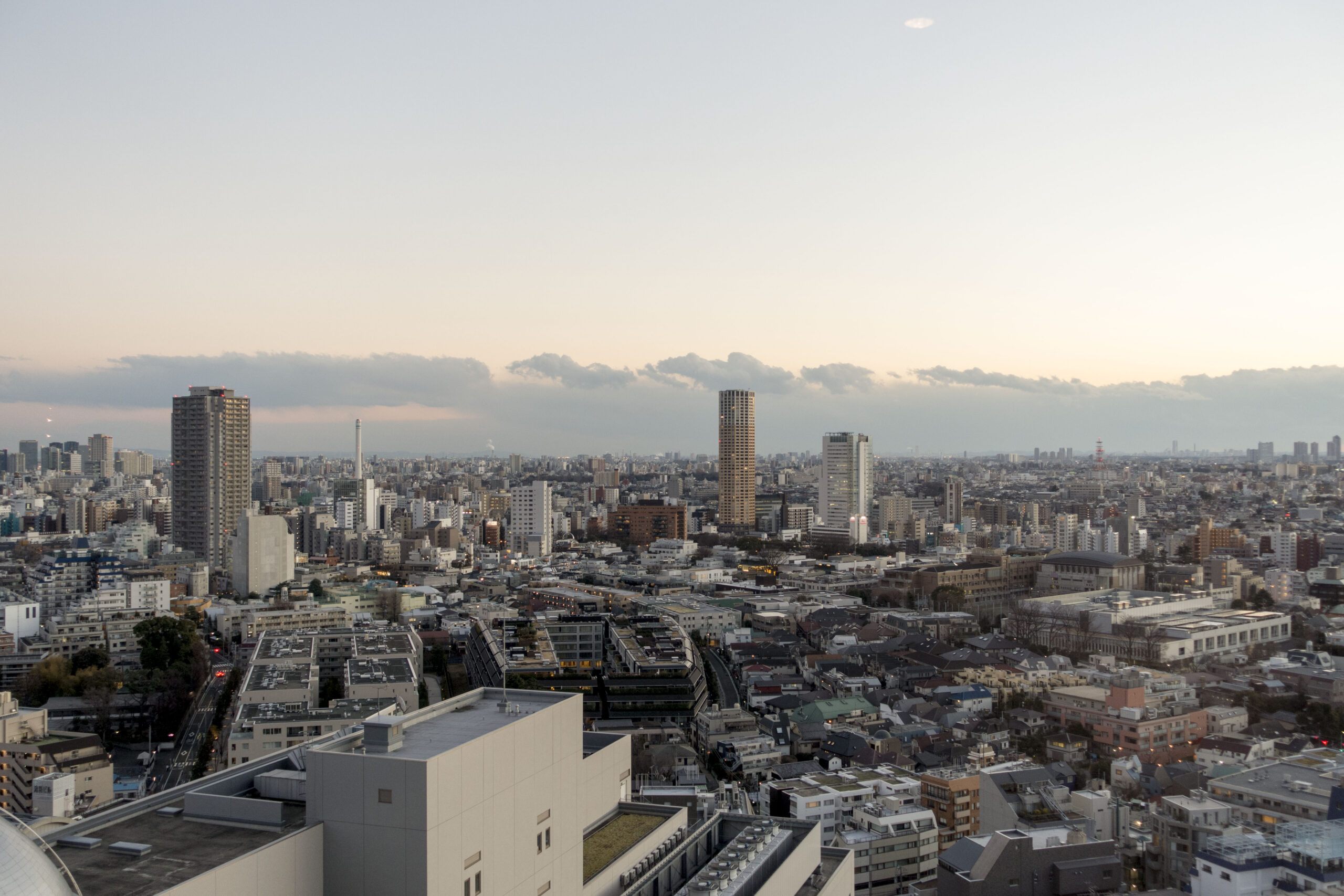
This research-focused meeting connects longevity science in Japan and Singapore, with sessions on geroscience, regenerative medicine, and precision health. The 2026 theme, ‘Quantifying Aging: AI and Aging Clocks in Precision Health,’ makes it especially relevant to readers interested in biomarkers and the measurement of biological ageing.
The programme combines invited lectures, startup presentations, posters, and networking. Go if you want scientific discussion and research connections rather than a broad consumer biohacking expo.
26. Longevity Investors Conference
Best For: Longevity investors, family offices, venture funds, and biotech entrepreneurs.
When: the 2026 edition ran September 14-17 at Le Grand Bellevue, Gstaad, Switzerland. Check the organizer for the next edition.
Cost: enquire about eligibility and current packages.
Size: a private investor-focused gathering; no verified attendance total is given here.
The Longevity Investors Conference brings institutional investors, family offices, funds, and private investors into conversation with longevity scientists and entrepreneurs. The focus is the relationship between emerging research and the capital needed to develop it.
This is a specialist option for readers funding or building longevity businesses. Go if your priority is understanding the investment landscape and meeting people evaluating scientific and commercial opportunities. For hands-on wellness tools or broad public education, other events in this guide will be a closer fit.
Functional and integrative medicine
Root-cause, systems-based approaches to health. One event here is clinician-only and CME-accredited; the other is a public festival. Both point at the same shift toward personalized, preventative care.
27. IFM Annual International Conference
Best For: Functional medicine physicians, clinical practitioners, and researchers seeking evidence-informed education.
When: June 2-5, 2027, San Diego, plus livestream (the 2026 edition ran in late May).
Cost: registration for practitioners, with in-person and livestream options; check the site for current pricing.
Size: around 1,000 clinicians on-site, plus livestream.

The Institute for Functional Medicine’s Annual International Conference is the largest gathering in functional medicine and the field’s most credible clinical event. The 2026 edition drew 996 clinicians, researchers, and healthcare leaders to San Diego for keynotes, workshops, and research on translating emerging science into practice. IFM is the only ACCME-accredited provider of functional medicine education, and it has trained more than 103,800 practitioners and certified close to 3,000.
Recent programming has run through AI in clinical care, personalized nutrition, women’s health, genomics, the gut-brain axis, circadian health, brain health, and supporting GLP-1 treatments with lifestyle. In 2026 IFM launched a Functional Medicine Certification Program aligned with gold-standard accreditation. The 2027 theme, “Science, Systems, and Connection,” continues the focus on extending healthspan through patient-centered care.
Go to the IFM conference if you are a clinician practicing or moving toward functional medicine and want rigorous, certifiable education.
28. Eudēmonia Summit
Best For: Wellness enthusiasts, integrative health practitioners, and entrepreneurs who enjoy immersive experiences.
When: November 5-8, 2026, Palm Beach County Convention Center, West Palm Beach, Florida.
Cost: tickets from about $1,499.
Size: 8,000+ expected, 100+ experts.
Eudēmonia is what happens when a functional and integrative health conference is designed to feel like a music festival. Named for the Greek word for a life well lived, it is built around movement, nourishment, mental optimization, restoration, and connection, with mornings of star-led workouts and mindfulness and afternoons of expert talks. Past speakers include Mark Hyman, Andrew Huberman, and Halle Berry.
The science stays central despite the festival energy: preventative medicine, regenerative health, and protocols people can apply. The EXPOSŌME expo puts functional and regenerative health brands in front of attendees, and a Treatment Village offers hands-on therapies. For founders and investors, the Health Innovation Lab, run with Fitt Insider, is an application-only accelerator track with private dinners and an extra day of programming.
Go to Eudēmonia if you want science-backed wellness in an energetic, consumer-friendly setting, whether you are an enthusiast, a coach, or a founder.
29. NIIM Annual Symposium
Best For: Australian clinicians, allied health professionals, and integrative medicine practitioners.
When: the 2026 edition took place September 10-11 at the Amora Riverwalk Hotel, Richmond, Melbourne, Australia. Check the organizer for the next edition; 2027 dates are not confirmed here.
Cost: check current registration when the next programme opens.
Size: the 2026 programme featured 20+ speakers.

The National Institute of Integrative Medicine’s symposium is an Australian option for practitioners interested in prevention and integrative care. Its 2026 programme covered gut health, women’s health, cancer care, autoimmune conditions, medicinal cannabis, and meditation.
The intended audience includes doctors, allied and complementary health practitioners, nurses, psychologists, and healthcare students. Go if you want an Australian clinical network and a multidisciplinary programme; review the evidence behind individual sessions when deciding what is relevant to your practice.
30. Integrative & Personalised Medicine Congress
Best For: UK healthcare professionals, integrative medicine practitioners, and providers of personalized care.
When: June 10-12, 2027, QEII Centre, London, UK.
Cost: check current registration categories and workshop access.
Size: the organizer promotes a gathering of 3,000+ healthcare professionals, with five conferences across three days.

IPM brings together healthcare professionals interested in whole-person, patient-centred care. Its format combines multiple conference programmes with an international exhibition and CPD-approved workshops, giving attendees several ways to learn and meet practitioners.
Go if you work in integrative or personalised care and want a substantial UK professional gathering. The mix of clinical sessions, case studies, and workshops is useful for comparing approaches and building a multidisciplinary network. Choose sessions around your professional scope and the quality of the evidence presented.
Wellness business, spas, and retreats
The commercial side of wellness: the people who run spas, resorts, retreats, and wellness brands, and the executives shaping a $6.8 trillion economy. If your work is the business of wellbeing, these are your rooms.
31. Global Wellness Summit
Best For: Wellness industry executives, investors, destination developers, and senior business leaders.
When: November 10-13, 2026, Angsana Laguna Phuket, Thailand.
Cost: delegate registration $6,000; new delegates apply for approval.
Size: a curated international gathering of wellness leaders; check the organizer for the current delegate count.

Often called the Davos of the wellness industry, the Global Wellness Summit is the top-tier gathering of executives shaping the $6.8 trillion global wellness economy, a figure tracked by the summit’s research arm, the Global Wellness Institute. The 2026 edition, its 20th, gathers senior leaders across spa, hospitality, wellness tourism, longevity, real estate, beauty, and preventive medicine under the theme “The Science, Art and Soul of Wellness.”
It is invitation-only and pitched at decision-makers, with a delegate directory, the annual Future of Wellness trends report, and an Innovation Village. The value is the concentration of senior people and off-stage conversations rather than the size of the crowd. AI-powered real-time translation into 30+ languages reflects how international the room is.
Go to the Global Wellness Summit if you run or invest in a wellness business and want the industry’s most senior room, and you can secure a delegate spot.
32. ISPA Conference and Expo
Best For: Spa owners, wellness center operators, retreat businesses, and spa industry suppliers.
When: Roughly late March to early April in Las Vegas at The Venetian (the 2026 edition ran March 31 to April 2).
Cost: member and non-member registration tiers; check the site for current pricing.
Size: thousands of spa and wellness professionals, hundreds of exhibitors.

The International Spa Association’s flagship is the largest annual gathering for the spa and wellbeing industry, now past its 36th year. It pairs conference programming on business strategy, talent, and customer experience with a large expo where suppliers launch products and spa directors, resort operators, and product developers do their sourcing for the year.
For anyone running a spa, a wellness center, or a retreat with treatment offerings, this is where the equipment, skincare, and wellness technology get evaluated and the supplier relationships get built. Many brands debut products here before they reach the wider market, so it is also a preview of what will be in treatment rooms next season.
Go to the ISPA Conference if you operate on the business side of spa, resort, or retreat wellness and need a year’s worth of sourcing and strategy in one place.
33. Mindvalley A-Fest
Best For: Personal growth enthusiasts, coaches, retreat leaders, and entrepreneurs seeking immersive community experiences.
When: An annual members event held in exotic locations (recent venues include Ibiza, Bali, and Colombia); the next edition runs October 9-11, 2026, venue typically announced late.
Cost: $4,500+, covering meals, lodging, and full programming.
Size: an intimate, application-required community.

A-Fest is Mindvalley’s members-only transformational festival, and it sits at the intersection of personal growth, wellness, and community. It is more festival than conference, application-required, and held in destinations chosen partly for the experience. The programming blends personal development, mindfulness, movement, and connection with the entrepreneurial, self-optimization ethos Mindvalley is built on.
The price covers the full immersion, which is the point: this is a curated, high-touch experience for people who want transformation and a tight community rather than a big vendor floor. For coaches, retreat leaders, and anyone in the personal-growth world, it doubles as a look at how a premium transformational experience is produced.
Go to A-Fest if you want an immersive, application-only growth experience in a beautiful location, and community matters more to you than clinical content.
34. Vitafoods Europe
Best For: Nutrition brand founders, supplement manufacturers, ingredient buyers, and product developers.
When: May 18-20, 2027, Fira Barcelona Gran Via, Barcelona, Spain.
Cost: check the official registration page for 2027 pricing and conference access.
Size: the organiser expects 30,000+ attendees, 1,600+ exhibitors, and 100+ speakers.

Vitafoods Europe is a major international gathering for the nutrition and supplements industry, combining a large trade exhibition with conference sessions and learning programmes. It covers ingredients, finished supplements, functional foods and drinks, manufacturing, and the services that bring wellness products to market.
Go if you are building a nutrition brand, developing a wellness product, sourcing ingredients, or looking for manufacturing and distribution partners. The exhibition brings buyers, researchers, suppliers, and founders into the same room, while product showcases and the tasting centre make it useful for exploring emerging formats and consumer trends.
Psychedelics and mindfulness
The consciousness side of the frontier, from clinical psychedelic research to the meeting point of mindfulness and technology. Both draw crowds that the purely medical events do not.
35. Psychedelic Science (MAPS)
Best For: Psychedelic researchers, therapists, policymakers, and advocates exploring science and regulation.
When: May 3-7, 2027, Colorado Convention Center, Denver.
Cost: tiered pricing for community members, practitioners, and industry; early-bird tiers are cheapest.
Size: 8,000+ expected, with past editions reaching 12,000.
Hosted by the Multidisciplinary Association for Psychedelic Studies, Psychedelic Science is the largest gathering in the world for psychedelic research, policy, and culture, running since 2010. The 2027 theme, “Bridging Promise and Practice,” takes on the field’s central question: how it moves from possibility to real-world practice through training, policy, infrastructure, and relationships.
The five-day program brings together scientists, therapists, policymakers, cultural leaders, and advocates, with expert talks, hands-on workshops, and community events built around art, music, and mindfulness. Tiered pricing and scholarships keep it open to a broad audience, which is deliberate: the organizers want the room to reflect the people doing the work, not just those who can afford it.
Go to Psychedelic Science if you work in or are entering psychedelic medicine, therapy, research, or policy, and want the field’s definitive gathering.
36. Wisdom 2.0
Best For: Mindfulness teachers, technology leaders, coaches, and entrepreneurs interested in conscious leadership.
When: Roughly May 2026, San Francisco and virtual.
Cost: mid-range conference pricing, with a virtual option.
Size: a mid-sized cross-disciplinary crowd.

Wisdom 2.0 explores the meeting point of mindfulness, technology, and social change, a question it has been asking since its early days convening people from Google, Facebook, and Twitter alongside mindfulness practitioners. It is the event for the human side of the technology conversation: how to stay connected, well, and purposeful in a world of screens and constant data.
The program blends talks, panels, and smaller discussion groups, and past themes (2025’s was “Disruption”) reflect a willingness to sit with hard questions about technology’s effect on wellbeing. For anyone building health or wellness technology, it is a useful counterweight to the pure optimization events, a room that asks not just what the tools can do but what they do to us.
Go to Wisdom 2.0 if you care about mindfulness and the ethics of technology, and you want depth on wellbeing rather than devices and protocols.
37. Spirit Plant Medicine Conference
Best For: Researchers, practitioners, and community members exploring plant medicine, ethics, and consciousness.
When: the 2026 edition ran October 23-25 at South Hall, Vancouver, British Columbia, Canada. Next-edition dates are not yet confirmed here.
Cost: check the organizer for future ticket tiers.
Size: a community-focused gathering; a verified attendance total is not published.

Vancouver’s Spirit Plant Medicine Conference brings plant medicine culture, consciousness, science, and ethics into the same conversation. Its 2026 edition, The Living Bridge, combined talks and community dialogue with music, visionary art, and a vendor market.
The appeal is the meeting of perspectives: Indigenous traditions, contemporary research, and the practical questions surrounding integration and responsible relationships with plant medicines. Go if you want a community-oriented Canadian gathering that gives culture and lived experience space alongside research. This is an educational conference, not a clinical treatment programme.
38. Interdisciplinary Conference on Psychedelic Research (ICPR)
Best For: Psychedelic scientists, clinicians, and academics seeking interdisciplinary research connections.
When: the 2026 edition ran June 4-6 in Haarlem, Netherlands. This is a biennial event; the organizer says it returns in 2028, not 2027.
Cost: check the official site for recordings and future ticket releases.
Size: OPEN Foundation reports 1,500+ participants at the 2026 edition.
Organized by the OPEN Foundation, ICPR is a research-led gathering for scientists, clinicians, and people working at the intersection of psychedelic science and society. Its interdisciplinary approach makes room for the clinical questions and the wider context in which research becomes practice.
Go to ICPR if you want a European scientific counterpart to the larger North American psychedelic events. The 2026 programme and recordings are useful starting points while waiting for the next edition; do not plan a 2027 trip around this conference.
Women’s health
The most underbuilt segment in health, and one of the fastest-growing. This is where femtech founders, investors, and health-system buyers are building the infrastructure that never existed.
39. Women’s Health Innovation Summit
Best For: Femtech founders, women’s health executives, investors, and healthcare innovation leaders.
When: October 13-15, 2026, Encore Boston Harbor, Everett, Massachusetts.
Cost: tiered, with super-early-bird savings up to $1,000.
Size: 1,000+ senior leaders.

Run by Kisaco Research, the Women’s Health Innovation Summit is where the women’s health industry comes together to build. It gathers more than 1,000 senior leaders across the full spectrum: femtech startups, diagnostics, therapeutics, the most active investors in the space, payers, hospitals, and service providers. The programming is action-oriented, aimed at unlocking investment, expanding pipelines, and improving access and quality of care.
Women’s health has been chronically underfunded and under-researched, which is exactly why this event matters: it concentrates the capital, the founders, and the buyers in one place at a moment when the category is finally scaling. For a founder raising in femtech or an investor scouting the space, the density of relevant people is the entire value.
Go to the Women’s Health Innovation Summit if you are building, funding, or buying in women’s health and want the sector’s most concentrated business room.
40. Women’s Health Summit at The Longevity Show
Best For: Women’s health coaches, clinicians, founders, and people interested in hormones, menopause, and longevity.
When: April 16-17, 2027, Tobacco Dock, London, UK.
Cost: check 2027 ticket inclusions; the summit page lists access with Experience and VIP tickets.
Size: a dedicated summit within The Longevity Show, rather than a separate standalone conference.

This women’s health summit adds a practical, public-facing option alongside the industry-focused Women’s Health Innovation Summit. It brings clinicians, researchers, and founders together around hormones, menopause, fertility, brain health, nutrition, and healthy ageing.
The emphasis is on understanding women’s health across life stages, with subjects ranging from ovarian ageing and cycle health to strength, bone health, and mental wellbeing. Go if you are a coach, practitioner, educator, or interested attendee looking for a focused women’s health programme within a broader longevity event.
It’s Not What You Know, It’s Who You Know
There’s an old saying that success isn’t just about what you know, but who you know. And nowhere does that feel more true than at a great conference.
You might arrive excited about the speakers, the latest research, or the groundbreaking technologies being unveiled. But often, the most valuable moments happen between the talks, over coffee, at dinner, or during a spontaneous conversation with someone who shares your curiosity about the world.
The real magic of conferences is bringing together people who are passionate about the same ideas, challenges, and possibilities. People who might become lifelong friends, future collaborators, business partners, mentors, or simply someone who inspires you to see things differently.
In a world where we can learn almost anything online, access world-class research with AI, and watch the best speakers on YouTube, information is no longer scarce. What is increasingly valuable is genuine human connection.
You can forget a presentation within a week, but a meaningful conversation can change the direction of your life.
So don’t just attend conferences to collect information. Go to ask questions, share your ideas, make friends, and surround yourself with people who challenge you to grow.
Because sometimes the most valuable thing you bring home isn’t a notebook full of ideas. It’s a handful of relationships that open doors you never even knew existed.
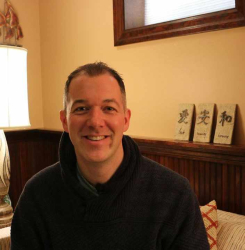
I believe the future of education starts with helping people find their "zone of genius" so they can develop their uniquely human ability to create meaning, connection and community (that A.I. can't replicate).
I'm also big on completely unplugging from tech to recharge on nature retreats and trekking adventures. That led me to start my most recent company Sacred Treks.
- 10 Innovative New Biohacking Wearables I’m Excited For In 2027 - November 9, 2026
- Neurable One Review: Can These EEG Headphones Help You Reclaim Your Focus? - November 9, 2026
- 40 Best Health & Wellness Conferences Happening In 2026/2027 - November 8, 2026