



As we move through life, the weight of experience accumulates. Career pressures mount. Relationships deepen and complicate. Responsibilities multiply. By the time most people reach their thirties and forties, they carry a heavy load of stress, unresolved trauma, and perpetual busyness.
This constant state of activation does not leave the body unchanged. The nervous system learns to stay alert. Muscles tighten. Sleep becomes shallow. And breathing shifts from the natural nasal pattern we were born with to a chronic mouth-breathing habit that most people never notice.
The tragedy is that this shift happens gradually. It feels normal because it becomes constant. But mouth breathing is not normal. It is a sign that the body has lost its ability to fully relax into the parasympathetic state where true restoration happens.
Why the Nervous System Gets Stuck
The human nervous system evolved to handle acute stress. Our ancestors faced predators, famines, and physical threats. The fight or flight response served them well. After the danger passed, their bodies returned to baseline.
Modern stress is different. It is chronic rather than acute. Emails do not stop coming. Financial pressures do not resolve in an afternoon. The body stays in a low-grade state of alert for years or decades.
Each unprocessed stressful event leaves a trace in the nervous system. Trauma compounds. The vagus nerve, which governs the parasympathetic response, loses tone. The body forgets how to downregulate.
This dysregulation shows up in many ways. Racing thoughts at bedtime. Tight shoulders that never release. Digestive issues that persist despite dietary changes. And breathing that stays shallow and oral rather than deep and nasal.
The Nasal Breathing Advantage
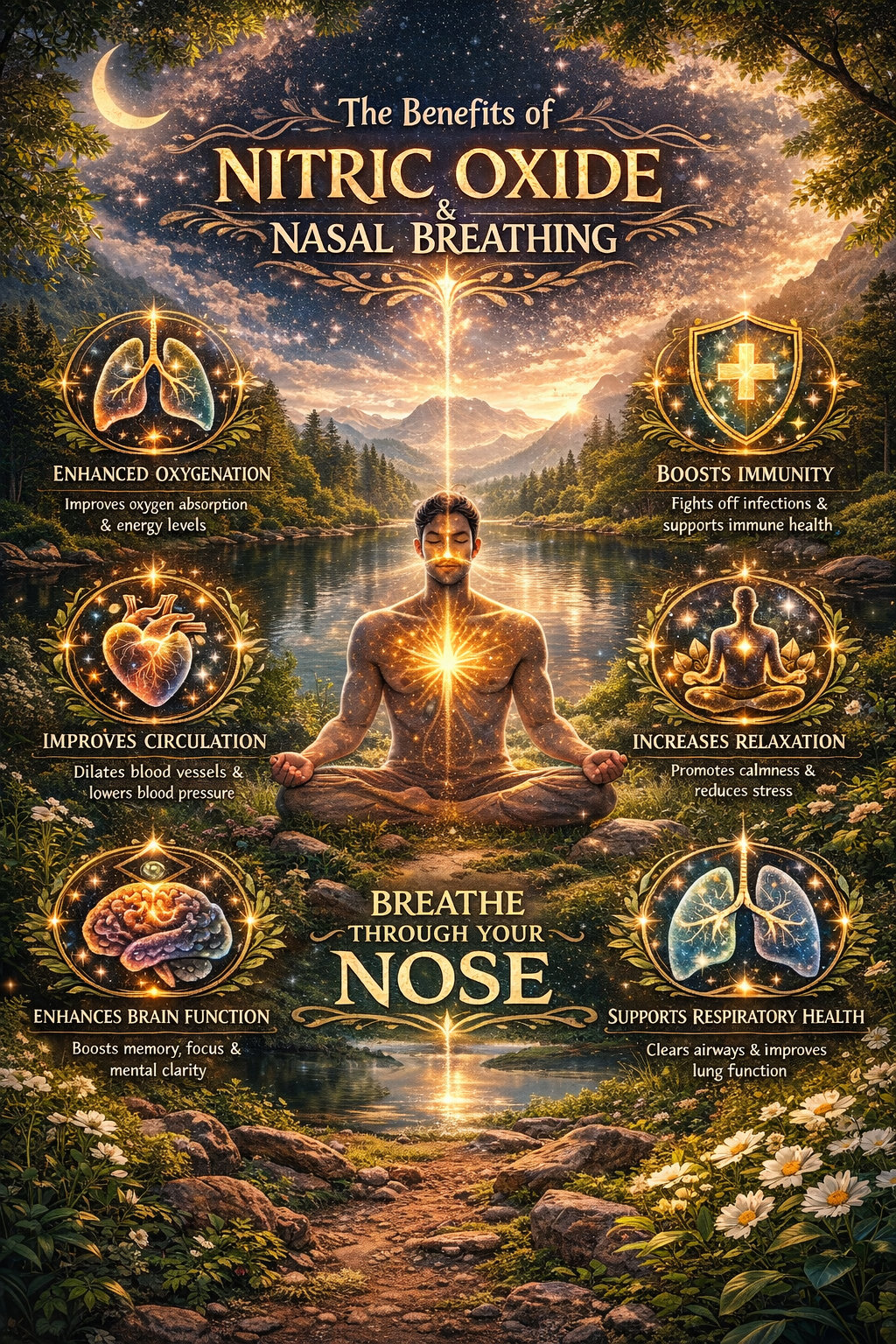
The nose is not merely a passive tube for air. It is a sophisticated processing center that transforms every breath into a therapeutic event. When air passes through the nasal cavity, it undergoes filtration, humidification, and temperature regulation.
More importantly, the sinuses produce nitric oxide. This molecule, discovered as a vital signaling compound in the 1990s, changes everything about how oxygen reaches your cells. Nasal breathing delivers nitric oxide directly into the lungs with every inhalation.
Nitric oxide acts as a vasodilator. It relaxes blood vessels, improves circulation, and ensures that oxygen actually reaches the tissues that need it. Without it, breathing becomes less efficient even when lung capacity is normal.
Studies show that nasal breathing increases oxygen uptake by up to 18 percent compared to mouth breathing. This is not because more air enters. It is because the nitric oxide makes the oxygen that does enter more available to the body.
The Parasympathetic Connection

The autonomic nervous system has two branches. The sympathetic branch prepares for action. The parasympathetic branch handles rest, digestion, and recovery. Health depends on the ability to move fluidly between these states.
Nasal breathing directly activates the parasympathetic nervous system. The slow, controlled nature of nasal respiration signals safety to the brain. Heart rate variability improves. Blood pressure drops. The body enters a state where repair and regeneration become possible.
Mouth breathing does the opposite. It tends to be faster and shallower. It activates the sympathetic system even when no actual threat exists. Over time, this creates a vicious cycle. Stress causes mouth breathing, and mouth breathing reinforces the stress response.
The breath is the only autonomic function that we can also control voluntarily. This makes it a powerful gateway to nervous system regulation. By choosing nasal breathing, we manually override the stress state and invite the body back into balance.
Sleep: The Critical Window
Nighttime represents the most important opportunity for parasympathetic restoration. During sleep, the body repairs tissues, consolidates memories, and clears metabolic waste from the brain. But these processes only happen when sleep is deep and uninterrupted.
Mouth breathing during sleep destroys sleep quality. It causes snoring, sleep apnea, and frequent micro-arousals that prevent the brain from entering restorative slow-wave sleep. People wake up feeling tired despite spending eight hours in bed.
Nasal breathing keeps the airway open. It maintains proper tongue posture against the roof of the mouth, which supports the natural architecture of the throat. Airflow remains smooth and silent.
When you nasal breathe through the night, nitric oxide continues its work. Blood vessels stay relaxed. Circulation remains efficient. The brain receives the oxygen and nutrients it needs for overnight maintenance.
This is why taping the mouth at night has become popular among longevity enthusiasts. The practice forces nasal breathing and often produces dramatic improvements in sleep quality, morning energy, and cognitive function.
Nitric Oxide: The Longevity Molecule

Nitric oxide deserves special attention for anyone interested in aging well. Beyond its role in oxygen delivery, this molecule influences virtually every system in the body.
Cardiovascular health depends on nitric oxide. It keeps arteries flexible and prevents the plaque buildup that leads to heart disease. Endothelial function, a key predictor of longevity, is essentially a measure of nitric oxide production.
The immune system uses nitric oxide to fight pathogens. It is antimicrobial and antiviral. Low nitric oxide levels correlate with increased susceptibility to infections and slower recovery times.
Cognitive function requires adequate nitric oxide. The molecule supports neuroplasticity, memory formation, and healthy blood flow to the brain. Some researchers believe that declining nitric oxide production contributes to age-related cognitive decline.
Exercise performance and recovery are nitric oxide dependent. It allows muscles to receive more blood and oxygen during activity and facilitates waste removal afterward. Athletes who optimize nitric oxide often notice improved endurance and faster healing.
Nasal breathing is one of the simplest ways to maintain nitric oxide levels. Mouth breathing bypasses the sinuses entirely and delivers air without this vital compound. Over years and decades, the difference compounds.
Reclaiming Nasal Breathing
The good news is that breathing patterns can change. The nervous system retains plasticity throughout life. With consistent practice, mouth breathers can become nasal breathers and enjoy the benefits that follow.
Begin with awareness. Notice when your mouth falls open during the day. Check your breathing pattern during common activities like working at a computer, driving, or watching television. Most people are shocked by how often they mouth breathe unconsciously.
Practice conscious nasal breathing during low-intensity activities. Close your mouth and breathe slowly through your nose. If you feel air hunger, this indicates that your tolerance needs development. Start with short periods and gradually extend them.
Address nasal congestion if it is present. Chronic congestion often results from inflamed tissues responding to allergens, irritants, or the drying effect of mouth breathing itself. A neti pot, humidifier, or dietary changes may help.
Consider mouth taping during sleep. Use a small piece of porous tape placed vertically across the lips. This is not dangerous. The tape comes off easily if needed, and most people find they sleep much more soundly with it.
The Stress-Breathing Connection
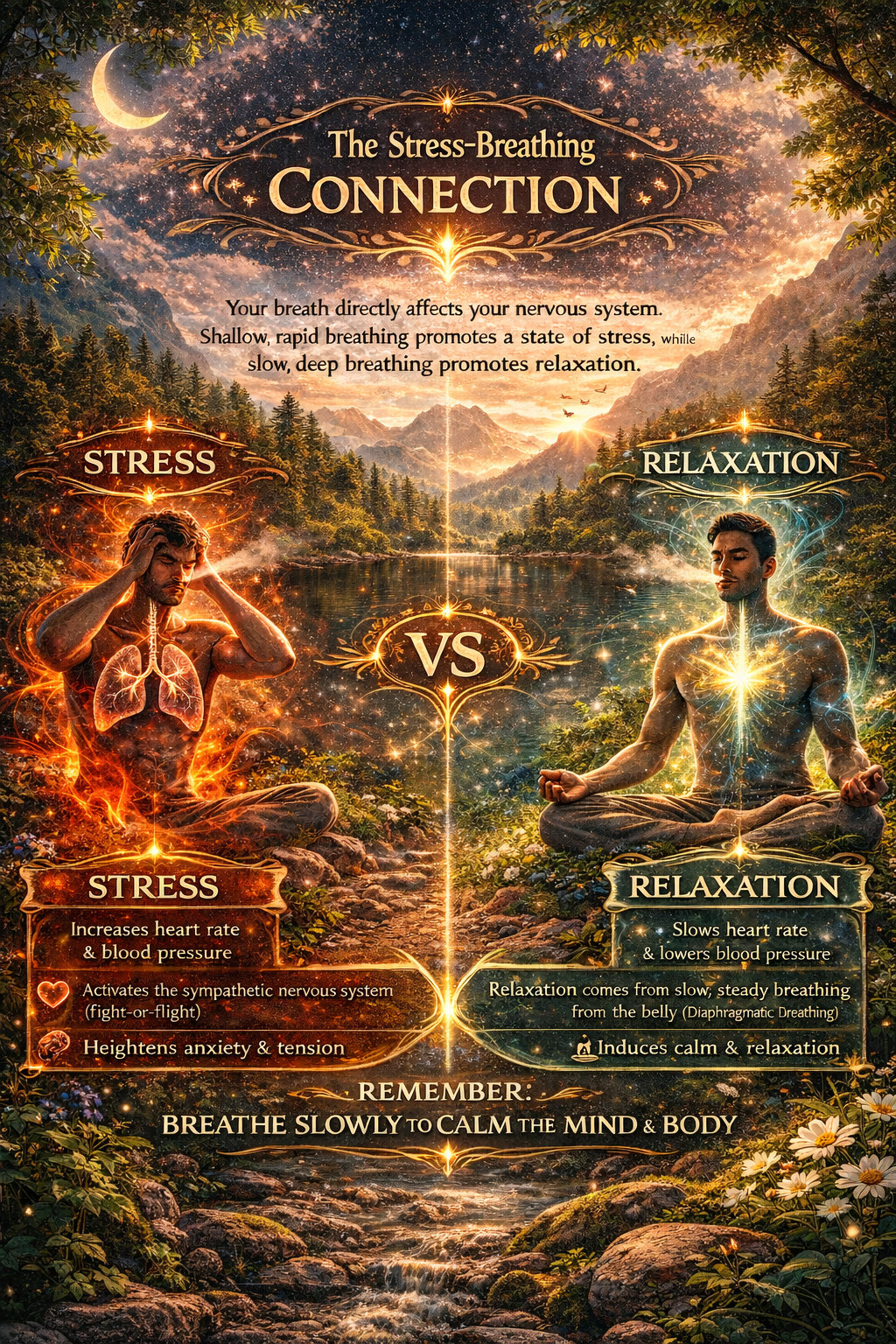
Remember that breathing and emotional state are bidirectional. Changing your breathing pattern affects your nervous system. But addressing underlying stress and trauma makes nasal breathing easier to maintain.
Meditation, therapy, somatic practices, and lifestyle changes that reduce stress all support the return to nasal breathing. As the nervous system heals, the compulsion to mouth breathe naturally diminishes.
This is a long-term project. Years of chronic stress cannot be undone in a week. But every hour of nasal breathing counts. Every night of quality sleep matters. The body responds to consistent practice over time.
Practical Implementation of Nasal Breathing
For those ready to prioritize nasal breathing, here are specific steps to take.
During the day, set periodic reminders to check your breathing. Smartphone apps or computer timers can help. Each reminder is an opportunity to close your mouth and return to nasal respiration.
During exercise, challenge yourself to maintain nasal breathing for as long as possible. This may require slowing down initially. Over time, your capacity will expand. Many elite athletes now train primarily with nasal breathing.
In your environment, pay attention to air quality. Poor air quality increases the tendency to mouth breathe. Air purifiers, plants, and avoiding irritants all support healthy nasal function.
For sleep, create a bedtime routine that supports relaxation. The more relaxed you are when you lie down, the more likely you are to maintain nasal breathing through the night. Mouth taping can provide additional insurance.
The Long View For Health And Longevity
Health and longevity are determined by countless small decisions made consistently over years. Breathing is one of these decisions. It happens automatically, but it can also be chosen.
Nasal breathing with its delivery of nitric oxide represents a fundamental support for every system in the body. It is free. It requires no equipment. It can be practiced anywhere.
As you age, as responsibilities accumulate, as stress tries to pull you into sympathetic activation, your breath remains a tool for restoration. The nose is the gateway. Nitric oxide is the messenger. The parasympathetic state is the destination.
Choose nasal breathing. Your future self will thank you.
Resources and Further Reading About Nitric Oxide And Nasal Breathing
For those interested in exploring this topic further, several books and researchers stand out.
James Nestor’s “Breath: The New Science of a Lost Art” provides a comprehensive overview of breathing science and history. It covers the health impacts of mouth breathing and documents the author’s own experiments with nasal breathing restoration.
Dr. Konstantin Buteyko developed a breathing method specifically focused on reducing chronic hyperventilation and restoring nasal breathing. The Buteyko Method includes specific exercises for increasing carbon dioxide tolerance and improving breath control.
Patrick McKeown’s work on oxygen advantage training applies these principles to athletic performance. His books detail how nasal breathing during exercise can improve endurance and recovery.
Niraj Naik has combined a lot of these methods and theories into his Soma Breath movement, which he combines with great music and a lifestyle that is holistic and connected with Yogi principles.
Research on nitric oxide and its health effects continues to expand. The work of Dr. Louis Ignarro, who won the Nobel Prize for his discoveries about nitric oxide, provides the scientific foundation for understanding this molecule’s importance.
Sleep medicine specialists increasingly recognize the role of mouth breathing in sleep disorders. The field of myofunctional therapy specifically addresses tongue posture and oral breathing patterns.
Online communities and practitioners focused on breathwork offer additional support. The Wim Hof Method, though different in approach, has increased public awareness of breathing as a health intervention.
For scientific papers, search PubMed for terms like “nasal nitric oxide,” “mouth breathing sleep quality,” “parasympathetic breathing,” and “nitric oxide cardiovascular health.” The evidence base grows stronger each year.
Making The Switch For Your Health And Longevity
The shift from nasal to mouth breathing that happens to so many adults is reversible. It requires attention, practice, and patience. The rewards extend to every aspect of health.
Nitric oxide production depends on nasal breathing. Parasympathetic activation depends on slow, controlled respiration. Sleep quality depends on maintaining these patterns through the night.
Longevity is not found in any single intervention. It emerges from the accumulation of practices that support the body’s natural healing capacity. Nasal breathing is one of the most fundamental of these practices.
Start today. Close your mouth. Breathe through your nose. Feel the difference that this simple change makes. Build the habit. Protect your sleep. Support your nervous system. Allow nitric oxide to do its work.
The body knows how to heal. It needs the right conditions. Nasal breathing creates those conditions. It is the breathing you were born with. It is the breathing that will carry you into a healthy old age.

I believe the future of education starts with helping people find their "zone of genius" so they can develop their uniquely human ability to create meaning, connection and community (that A.I. can't replicate).
I'm also big on completely unplugging from tech to recharge on nature retreats and trekking adventures. That led me to start my most recent company Sacred Treks.
- 15 Creator House Retreats For Founders & Entrepreneurs - November 2, 2026
- The Workshop Funnel: How To Fill, Run And Sell From A Live Workshop - October 28, 2026
- Workshops Vs Webinars: Which Is Better For Selling Your Expertise? - October 28, 2026


